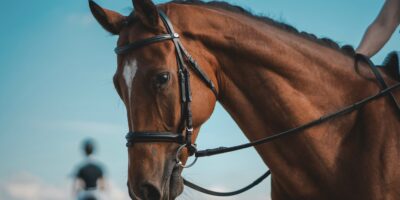
When I first learned to ride a turn on the haunches for beginners, I realized how much it improves control and communication. It is a beautiful and important movement in dressage — especially for beginners. It teaches me to guide my horse with precision while keeping rhythm and balance. Although it looks elegant, it requires good coordination, balance, and communication between horse and rider. Step by step, it builds a stronger partnership between horse and rider.
Let’s break down what it really takes from both sides:
1. Understanding the Goal
The turn on the haunches teaches me how to move my horse’s shoulders while keeping the hind legs active. This exercise helps develop collection and coordination. In fact, it is a preparation for more advanced movements like the pirouette. Because of that, I focus on accuracy, rhythm, and relaxation from the start.
2. Preparing The Horse And Myself
Before I ask for the turn, I ensure that my horse moves freely and reacts to my aids. I warm up in walk and trot, checking that my horse bends softly around my inside leg. Then I ride a few half-halts to keep the hind legs engaged. Only when my horse feels balanced and calm do I begin the exercise.
I start in walk, on a small circle. As I reduce the circle’s size, I imagine that the hind legs stay nearly in place. My inside leg stays close to the girth to keep the bend and activity. My outside leg moves slightly behind the girth to prevent the hindquarters from drifting. Meanwhile, my inside rein asks for a soft bend, and my outside rein guides the shoulders through the turn.
3. What It Requires From The Horse
My horse must stay calm, responsive, and balanced. The hind legs support most of the weight and stay active throughout the turn. The inside hind acts as a pivot while the outside hind steps slightly around it. My horse should move the shoulders softly without stepping backward. For that reason, relaxation and rhythm are more important than speed.
- Balance and engagement: The horse must stay balanced on its hindarters. That means the weight shifts slightly to the back legs, which support most of the body during the turn.
- Relaxation and softness: The horse should stay calm and relaxed in the neck and jaw. Tension will block the movement and cause the shoulders to drift.
- Understanding of aids: The horse must respond to light leg and rein aids. It should move the forehand (shoulders) around the hindquarters without stepping backward or rushing forward.
- Activity in the hind legs: The inside hind leg acts as a pivot, while the outside hind leg steps slightly around it. Both must keep moving rhythmically to maintain balance.
4. What it requires From the Rider
Before starting, I collect my horse slightly and make sure it listens to half-halts. The goal is not to spin. I want my horse to step calmly, rhythmically, and slightly around the inside hind leg. I think of it as a slow dance around the hind legs. The inside hind becomes the pivot, and the outside hind steps around it. I keep the movement slow and deliberate. When I feel balance and lightness, I know we are doing it right.
- Clear seat and weight aids: I keep my seat balanced and centered. My weight stays slightly to the inside, following the turn. If I lean too far, my horse loses balance.
- Correct leg position: My inside leg stays close to the girth to keep the horse’s bend and activity. My outside leg is a bit behind the girth to prevent the haunches from swinging out.
- Soft rein control: My inside rein asks for a slight bend, while the outside rein controls the direction and prevents too much neck flexion. Both hands work together — never pulling.
- Small, patient steps: I ask for only a quarter turn at first. Each step should feel deliberate, calm, and balanced. It’s better to make fewer, correct steps than a rushed, large turn.
After a few correct steps, I ride straight ahead. Then I let my horse stretch and relax in walk. This release helps build trust and motivation. I never force the turn. Instead, I focus on calmness and understanding. With time and repetition, the movement becomes easier and lighter.
5. Common Beginner Mistakes
Sometimes my horse may step backward or lose rhythm. When that happens, I check my seat and release the reins slightly. I encourage forward energy from my inside leg to keep activity. If the haunches drift out, I support gently with my outside leg. With practice, these small corrections make the movement smoother.
6. Why The Turn On The Haunches Matters
The turn on the haunches builds the foundation for advanced dressage work. It teaches me how to control my horse’s shoulders without losing rhythm or engagement. My horse learns to stay supple and active in the hind legs. My horse learns to respond to light pressure instead of force. At the same time, I refine my seat, balance, and timing. This exercise teaches me to balance energy, direction, and calmness. Because of that, this exercise is a key part of my training sessions.
Conclusion: Step by Step Toward Harmony
The turn on the haunches for beginners may seem challenging at first, but it teaches the essentials of dressage — rhythm, contact, and coordination. With calm repetition, I notice improvement in every ride. It’s a small movement, yet it builds a powerful foundation for the elegant balance we aim for in dressage.