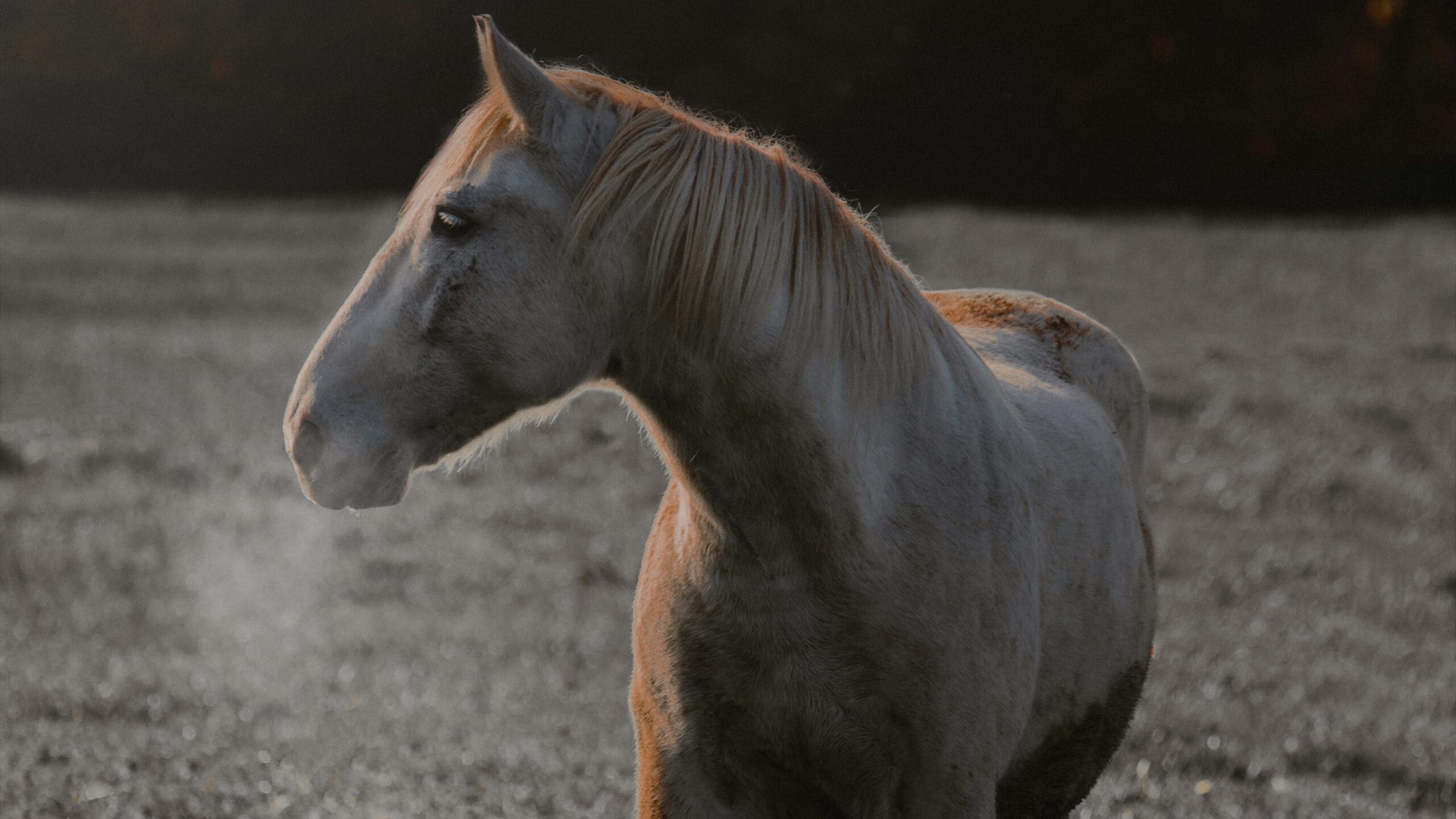
Breathing is a vital necessity. However, in the saddle it becomes much more than “air in, air out.” My breath sets my tone. It also sets my muscle tension. Therefore, my breath influences my seat, my balance, and the clarity of my aids. When I ride, my horse reads my body faster than I can think. So if I hold my breath, I often block my pelvis. Then my lower back stiffens. As a result, the horse loses swing and rhythm. Meanwhile, the contact turns unstable because my hands search for security.
That is why I train abdominal or “belly” breathing while riding. I use it to stay soft, present, and effective.
Why my breath changes my horse
Breath and tension travel together. For example, a short inhale often lifts my chest and shoulders. Then my center of mass shifts up. Consequently, I feel “top-heavy,” and my horse often becomes hurried or guarded. On the other hand, a quiet exhale can release my hip joints. Then my seat follows the movement. Therefore, I can keep an elastic connection and a clearer half-halt without pulling.
In addition, steady breathing while riding supports mental focus. When I breathe rhythmically, I ride the line, not my nerves. That matters, because horses react to inconsistency and brace against it.
What My Horse Feels When I Hold My Breath
When I freeze my breath, my horse often freezes his ribcage. Then the rhythm loses clarity. Also, the back tightens, so the hind legs stop stepping through. In addition, the contact can turn heavy or empty, because I lose independent hands.
What Abdominal breathing really does
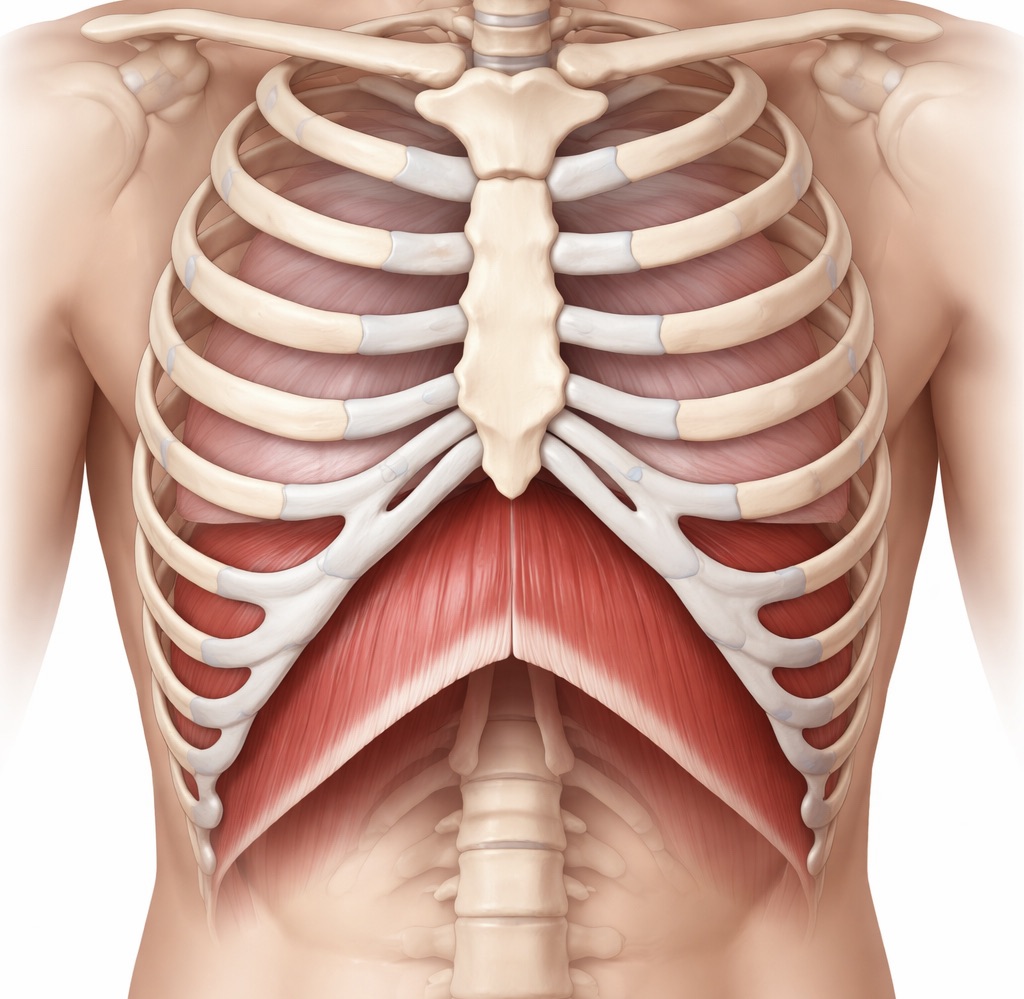
The diaphragm is the main breathing muscle under the ribs. It has a dome-like shape. When it contracts, it moves down and creates space for the lungs to fill. Then, when it relaxes, the air flows out again. Many riders try to “breathe into the chest.” However, that often creates more effort and more tension. Instead, I aim for a low breath that lets the ribcage expand without raising the shoulders. Consequently, my trunk stays stable while my limbs stay independent.
Moreover, I like the “bellows” idea: I do not force air like I inflate a balloon. I let the system open and close with ease. That keeps my breathing efficient and repeatable.
The riding-specific breathing checklist
I keep this simple. Otherwise, I overthink it.
- I soften my jaw and tongue. Then my neck relaxes more easily.
- I keep my shoulders heavy and wide, not lifted.
- I let the ribs expand around my torso, not only forward.
- I feel movement low, around my navel area, without pushing the belly out aggressively.
- I keep the breath continuous. I avoid long holds, especially in transitions.
If I lose the feeling, I return to one clear goal: abdominal breathing while riding with a steady, unforced rhythm.
A Two minute exercise I use before Riding
I do this next to the horse or at the mounting block.
- I place one hand lightly on the lower belly area, near the navel.
- I inhale and notice if my hand moves gently.
- I exhale longer than I inhale. For example: inhale for 3 counts, exhale for 5 counts.
- I repeat five cycles. Then I pause and notice my posture.
- I check my pelvis position. I want it neutral. So I avoid tucking under or hollowing.
Then I mount with a quieter upper body and clearer legs. Meanwhile, I keep my leg long and my seat heavy without pushing. Finally, I notice the first honest sign: a softer jaw, a quieter tail, and a steadier tempo.
Mistakes I Avoid so the Method Stays Effective
I made these mistakes myself. Therefore, I watch for them early. Most importantly, I do not chase more forward as a shortcut. Instead, I rebuild rhythm and relaxation first, because the training scale starts there:
I do not “push the belly.”
Pushing creates stiffness. Instead, I allow a natural expansion and release.
I do not lift my chest to look “proud.”
That usually tightens the back as it makes me top-heavy. Instead, I grow tall through the spine while keeping the ribs calm.
I do not hold my breath in half-halts.
Holding breath often turns the half-halt into a block. So I exhale softly during the moment of rebalancing.
I do not chase a perfect pattern.
If I force technique, I lose feel. Instead, I choose a smaller, steady breath and ride what I have today.
I do not use breath to “fix” the horse.
Breath first regulates me. Only then can my aids educate the horse.
How I apply breath as an invisible aid in walk, trot, and canter
In walk, I use the exhale to soften my hips and let the back swing. Then the horse often stretches into the contact.In trot, I pair the longer exhale with transitions and half-halts. Consequently, the rhythm stays clearer and the frame becomes more stable. In canter, I keep the breath elastic, not rigid. That helps me stay with the jump and avoid gripping with the knee.
Most importantly, I keep it consistent. I want less tension in my body, a better balance point, and a calmer, more willing horse. That is exactly why I return to abdominal breathing while riding whenever things get difficult.