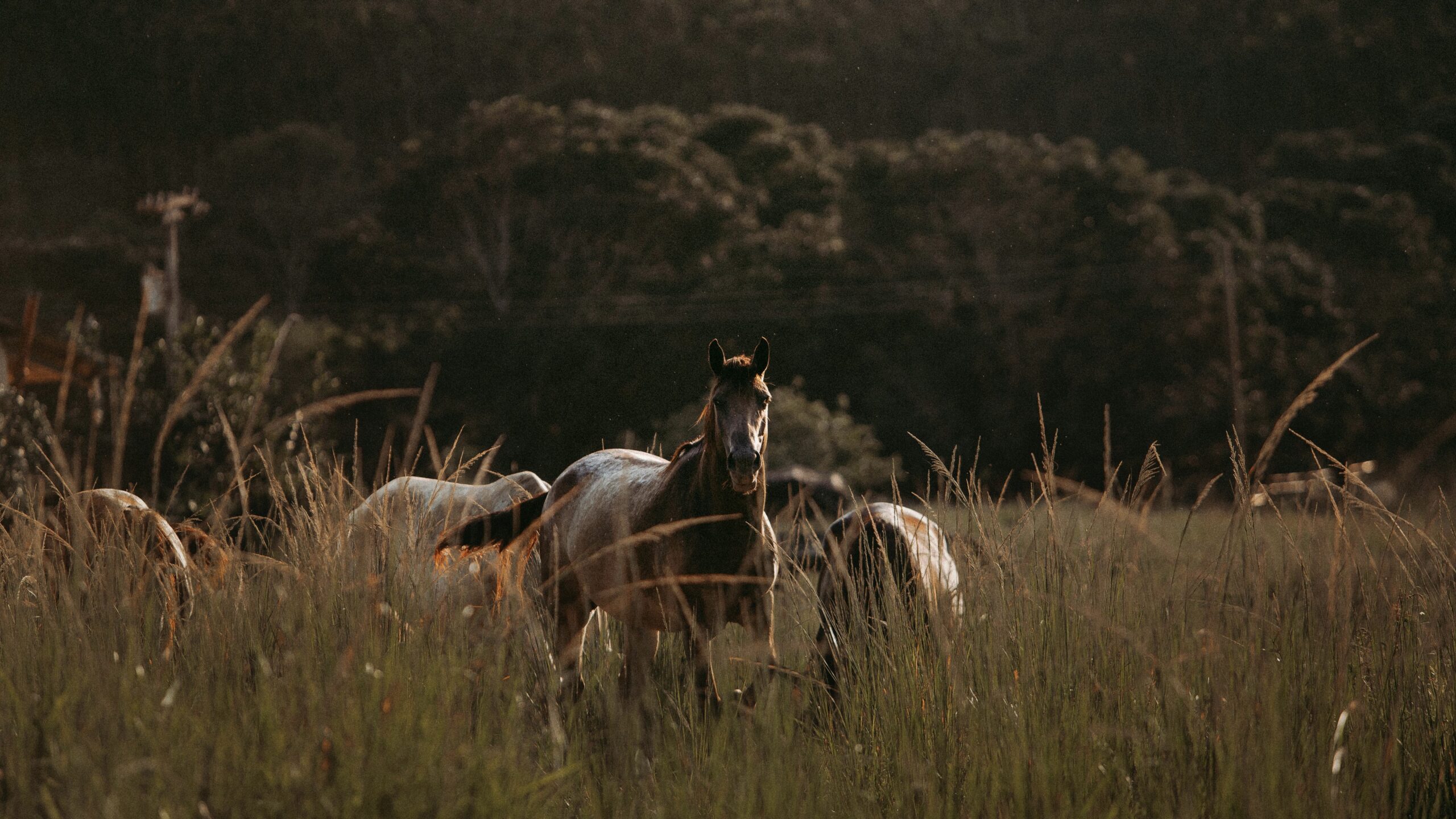
When I began practicing straightness for beginners, I realized how often my horse — and I — drifted slightly off line. At first, it seemed like a small detail. But over time, I discovered that straightness changes everything. It makes each transition smoother, each circle more balanced, and each movement more harmonious. Straightness is not just about the line we ride; it’s about balance, symmetry, and connection.
1. Understanding the Goal
When I work on straightness, I aim to align my horse’s body from poll to tail. I focus on the idea that most horses are naturally crooked. This crookedness resembles left- or right-handedness in people. Because of this, I pay close attention to how my horse moves. I see if the hindquarters drift, if one shoulder carries more weight, or if one rein feels heavier.
Moreover, I notice whether the horse steps evenly into both reins. I want my horse to track up correctly, stay aligned on both reins, and move with the same ease on each side.
2. Preparing the Horse and Myself
I start with simple lines — the quarter line or centerline — in walk and trot to loosen the body. I keep my eyes focused straight ahead, guiding my horse with my seat and legs. If I feel the shoulders drifting, I use the outside rein for gentle correction. Then I add transitions on straight lines to test balance. Large Circles and serpentines also help improve straightness when I focus on correct bend and rhythm. At the same time, I prepare myself. I sit centered, breathe deeply, and allow my hips to follow the movement. I check if my legs hang long and if my shoulders stay level. I want both of us to move symmetrically from the first steps on.
3. What It Requires from the Horse
My horse must learn to use both sides of the body evenly. Horses are naturally crooked — one side stronger, the other more flexible. This natural asymmetry affects strength, flexibility, and coordination. Research in equine biomechanics shows that uneven muscle development changes weight distribution. Through training, my horse learns to step forward and push equally with both hind legs. The shoulders must stay aligned with the hindquarters. The neck should stay centered, not bent to one side.
Over time, the muscles on both sides develop equally. As the body becomes more symmetrical, straightness builds strength and confidence. Straightness helps my horse develop strength and confidence, improving every other part of the work.
4. What It Requires from the Rider
To teach straightness, I also need to ride straight myself. My seat must remain centered in the saddle with equal weight on both sides, so I check whether a hip collapses or a rein shortens. Leaning even slightly shifts the entire alignment, which directly influences how my horse moves. Even leg support creates a clear framework: the inside leg sends the energy forward, while the outside leg prevents any drifting. This balance in my aids helps the horse understand each request. Quiet, equal hands play an important role as well. Soft elbows and level rein contact allow the horse to trust the connection.
Because my body affects every step my horse takes, the work continues off the saddle. Strength training, mobility exercises, and regular physiotherapy help me stay even and stable. With a symmetrical body and clear aids, I offer my horse a fair and balanced environment in which straightness can develop.
Key Points
- A centered, even seat forms the foundation of straight riding.
- Inside and outside legs work together to channel energy and prevent drifting.
- Soft elbows and level hands maintain a steady, trustworthy connection.
- Frequent self-checks help correct subtle imbalances before they affect the horse.
- Off-horse conditioning improves symmetry, stability, and overall riding quality.
5. Common Beginner Mistakes
Beginners often ride with uneven reins. They may pull on the stronger rein or let the weaker rein slip. This causes more crookedness. Another mistake is gripping with one leg and losing contact with the other. This pushes the horse sideways.
Furthermore, some riders try to straighten the horse only through the reins. This blocks the neck and prevents true alignment. Straightness begins with the body, not the head. Finally, beginners often overlook their own position. When I lean, twist, or collapse, I teach my horse to become even more crooked.
6. Why Straightness Matters
Straightness is one of the core principles of dressage. I rely on it because it lets my horse’s energy flow evenly from the hindquarters to the bit. Without straightness, energy leaks to one side and contact becomes uneven. When my horse moves straight, both sides work equally, the steps feel powerful, and the rhythm stays steady. Because of this, I focus on straightness before I ask for more collection or impulsion. It brings harmony and lightness to everything we do.
In addition, it supports long-term health. A straight horse distributes weight evenly and reduces strain on joints, tendons, and ligaments. It builds true impulsion and creates self-carriage. Through straightness, I feel equal connection on both reins, as if my horse runs on rails. Therefore, I treat straightness as a key principle, not an optional detail.
Conclusion: Small Steps Lead to Great Progress
Developing straightness for beginners creates real harmony between my horse and me. My horse moves more evenly. My aids feel clearer. Our communication becomes stronger. Straightness is balance, not stiffness. It lets the energy flow from back to front and changes how every movement feels. I work on straightness from the first ride. I watch the alignment. I feel the contact. I check my posture. I learn that true straightness starts with feel, patience, and awareness, not with the reins.
Step by step, I discover that true straightness becomes the base for harmony, balance, and lasting performance.