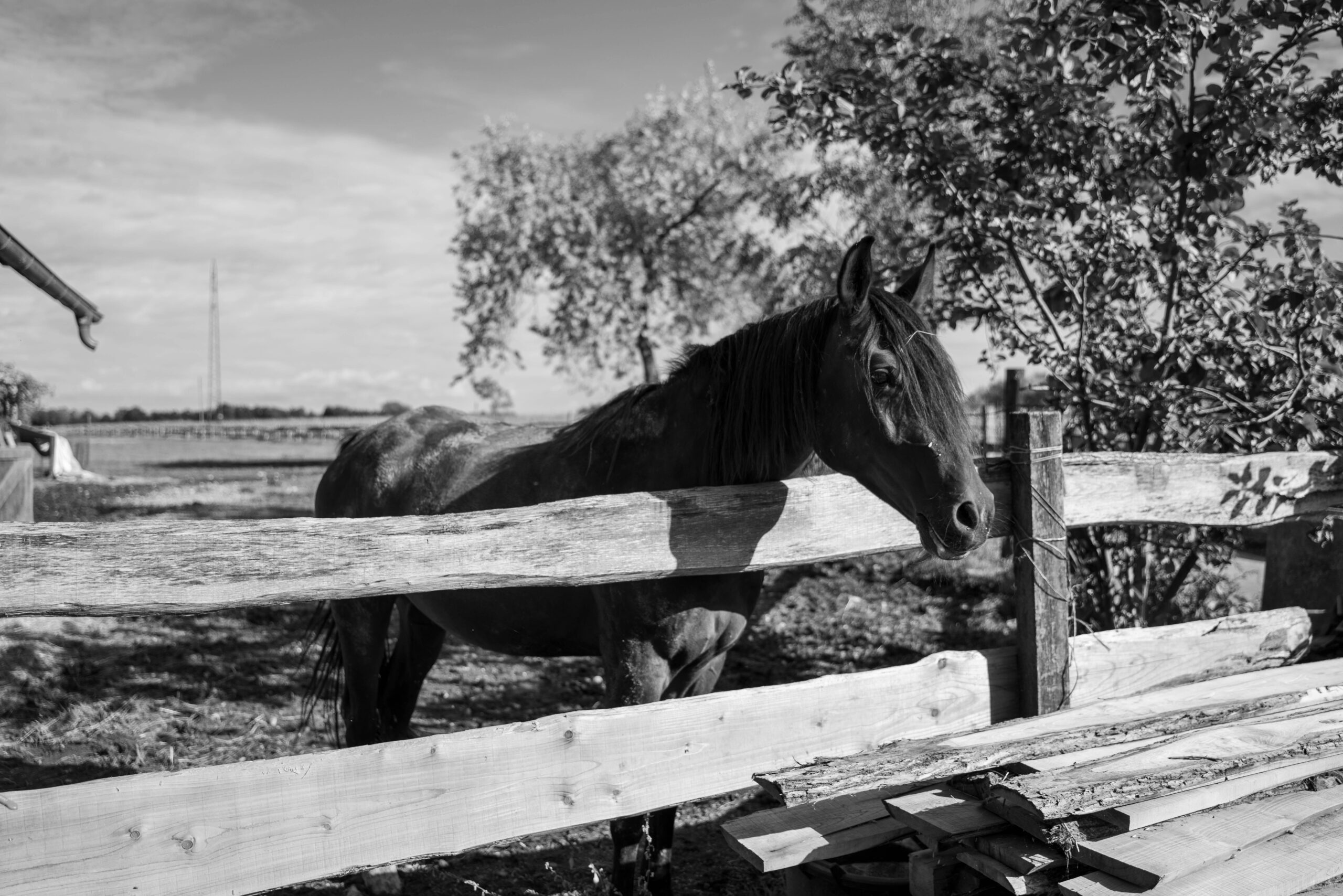
Choosing open or closed stable housing shapes my horse’s health, comfort, and daily well-being. Because of this, I look closely at the stall climate, the horse’s natural needs, and the way each system supports healthy behavior. While both systems offer advantages, they work very differently. Therefore, I want to explain these differences in a clear and practical way.
Understanding the Stall Climate
The biggest difference lies in the climate inside the stable. In an open stable, one side of the building stays fully or partly open. As a result, the climate follows the natural outdoor conditions. However, extreme heat, strong wind, heavy rain, or severe cold get softened by the shelter. My horse adapts well to these natural changes. Furthermore, the coat becomes hardy, and the horse develops strong resistance to weather influences.
In most cases, the horse’s coat adjusts even to very cold winter temperatures. Because of this natural adaptation, my horse stays healthy and comfortable in an open environment.
Winter Coats Create Challenges
Horses with dense winter coats sweat heavily during work. Then the drying process takes hours. Meanwhile, the horse cannot stay wet in cold or drafty conditions. Otherwise, the risk of illness increases. Therefore, systematic training becomes difficult under such circumstances.
How a Closed Stable Supports the Horse
A closed stable offers a milder climate compared with the outside environment. I ensure good air exchange, because stale air harms the horse’s respiratory system. In a closed system, the winter coat does not grow extremely long, which helps when I want to keep the horse fit for regular training. Moreover, this stable type makes it possible to clip the winter coat and use blankets with more precision. As a result, I can train my horse in winter without excessive sweating.
A closed stable also helps me organize everyday routines. I can use washing areas, grooming spaces, feed storage rooms, tack rooms, and well-lit working areas for veterinarians and farriers. Because everything stays concentrated in one place, my work becomes easier.
Closed Stables Bring Their Own Risks
Many closed stables get too warm in winter and lack enough ventilation. If doors and windows stay shut to protect water pipes from freezing, the air becomes heavy and polluted. Consequently, harmful gases increase. In addition, closed stables often become dark, especially during winter months.
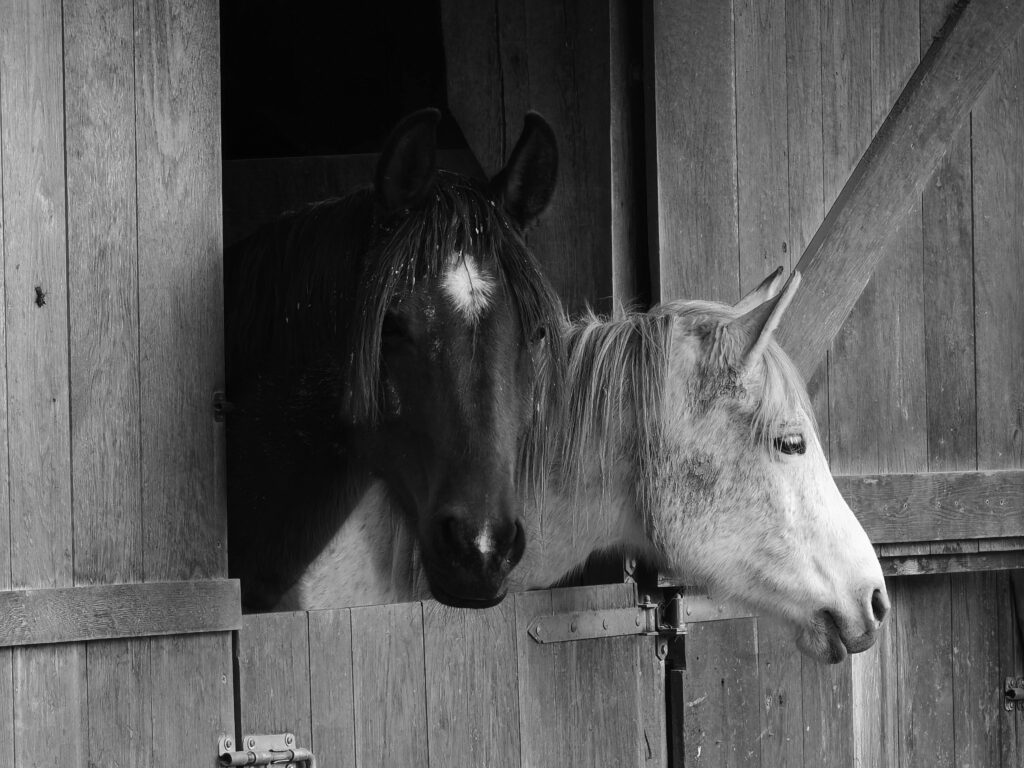
Why the Open Stable Encourages Natural Behavior
An open stable supports group housing, which offers constant opportunities for social contact and movement. My horse can walk, rest, eat, and interact with other horses in a natural flow. Because social interaction plays a key role in equine well-being, horses often stay mentally balanced and physically active in this system.
What I Consider Before Choosing
I decide between open or closed stable based on my horse’s needs, training goals, and my local climate. If I want natural living conditions and strong social contact, the open stable works beautifully. Yet if I need a controlled environment for winter training and structured routines, the closed stable gives me stability and predictability.
Both systems can support healthy horses. The key lies in proper management, regular supervision, and thoughtful adjustments throughout the year.
Credits: Photos by Vladimir Srajber from Pexels