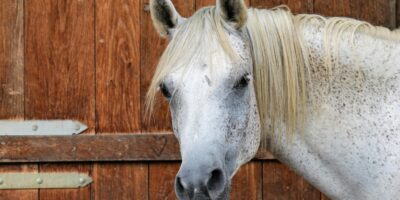
When I compare closed horse stalls or paddock housing, I always start with one simple question: how much movement does my horse truly get? Horses move for hours every day in nature. Therefore, I take this natural need seriously. I look closely at both systems, because each one influences my horse’s health, behavior, and daily comfort.
Why I Choose Carefully
A closed stall gives structure. I can groom, feed, and check my horse with very little preparation. My horse stays protected from wind, rain, and extreme temperatures. In addition, I can control the daily routine and adjust it to my horse’s needs. Yet I also know that a closed stall limits movement. Because of this, I must offer enough exercise outside the stall. Otherwise, tension, boredom, or health issues may appear.
Why Paddock Housing Supports Natural Behavior
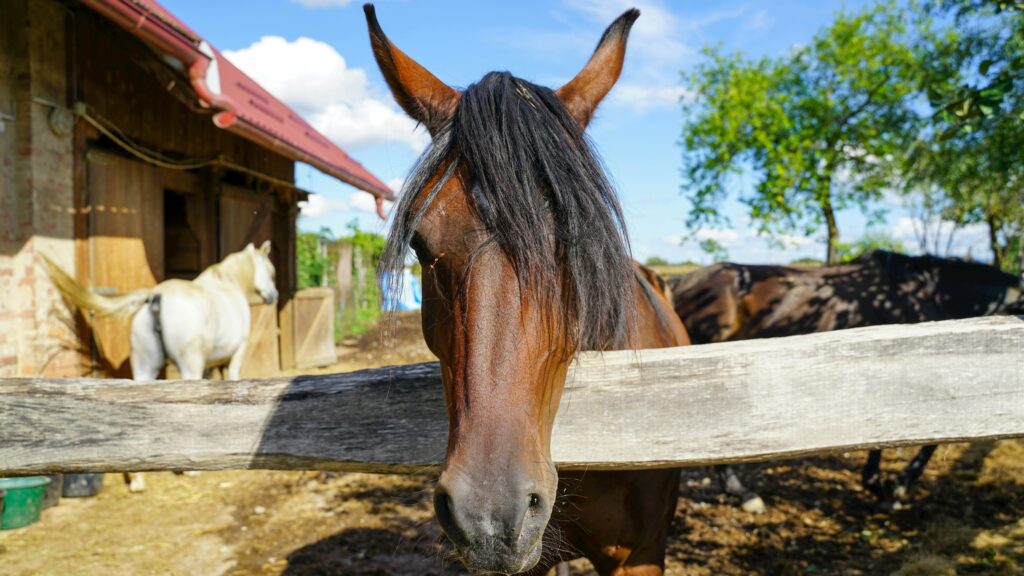
Paddock housing gives my horse freedom. I see more expression, more social contact, and more balanced behavior. I also notice how the constant movement supports digestion, joints, and overall well-being. Moreover, this type of housing encourages horses to explore, walk, and interact. As a result, many horses become calmer, healthier, and more content.
In many group paddock systems, horses also find separate areas for feeding, resting, and drinking. Because these areas lie apart, horses naturally move more. Although this improves health, it also brings a challenge. Social structures change. Therefore, I observe the group carefully. Dominant horses may block access to food or water. Consequently, I must organize feeding in a fair and safe way.
What I Consider in Group Housing
When I choose group housing for my horse, I look at several essential factors. I want my horse to live in a healthy and safe environment. Therefore, I examine space, feeding, hygiene, and daily management in detail. Each point influences how well the group functions and how comfortable every horse feels.
I Check How Much Space the Horses Truly Have
First, I check the available space. A good group system offers a clean and soft resting area, a separate feeding zone, and a paddock or pasture that stays accessible at all times. This separation matters. It encourages movement and reduces stress. In addition, it gives every horse the chance to rest or eat without disturbance. Consequently, the layout must be generous and well designed.
I Organize Feeding So Every Horse Gets What It Needs
Second, I look at the feeding system. Each horse has individual nutritional needs. Therefore, I make sure that every horse receives the right amount of feed. I monitor feeding closely, especially in herds with clear hierarchies. Dominant horses may try to block access to food. As a result, I often use individual feeding stands or slow feeders. This approach ensures fairness and prevents stress during mealtimes.
I Organize Feeding So Every Horse Gets What It Needs
Third, I focus on cleanliness. I clean the resting area and the paddock frequently. Regular cleaning keeps the environment healthy. It also reduces odors, insects, and the risk of infections. Since horses spend many hours outside, hygiene directly affects their well-being. Because of this, I schedule clear routines for mucking out, checking the ground, and refreshing the bedding.
I Understand the Real Daily Work Behind Group Housing
Fourth, I evaluate the daily workload. Many people assume group housing reduces effort. However, the reality looks different. The work simply changes. I still monitor the horses carefully. I check feed stations, water access, fences, shelters, and social interactions. Although the system may feel more natural, it requires strong management. Therefore, I plan my time and responsibilities realistically.
I Match the Housing System to Each Horse’s Character
Finally, I consider the horses themselves. Not every horse fits smoothly into a group. Temperament, age, health, and experience all play a role. Because of this, I observe introductions carefully. I give horses time to adapt and I intervene early when conflicts become too intense.
Through all these steps, I make sure the group remains stable, safe, and comfortable. When everything fits together, group housing supports natural behavior and creates a balanced, healthy environment for every horse.
My Personal Conclusion
When choosing closed horse stalls or paddock housing, I focus on movement, safety, and individual needs. Both systems can work well. Still, paddock housing often supports the horse’s natural behavior more effectively. Because of this, I look at my horse, my environment, and my daily possibilities. Then I choose the system that creates the best balance between freedom, structure, and well-being.
Credits: Photos by Vladimir Srajber from Pexels