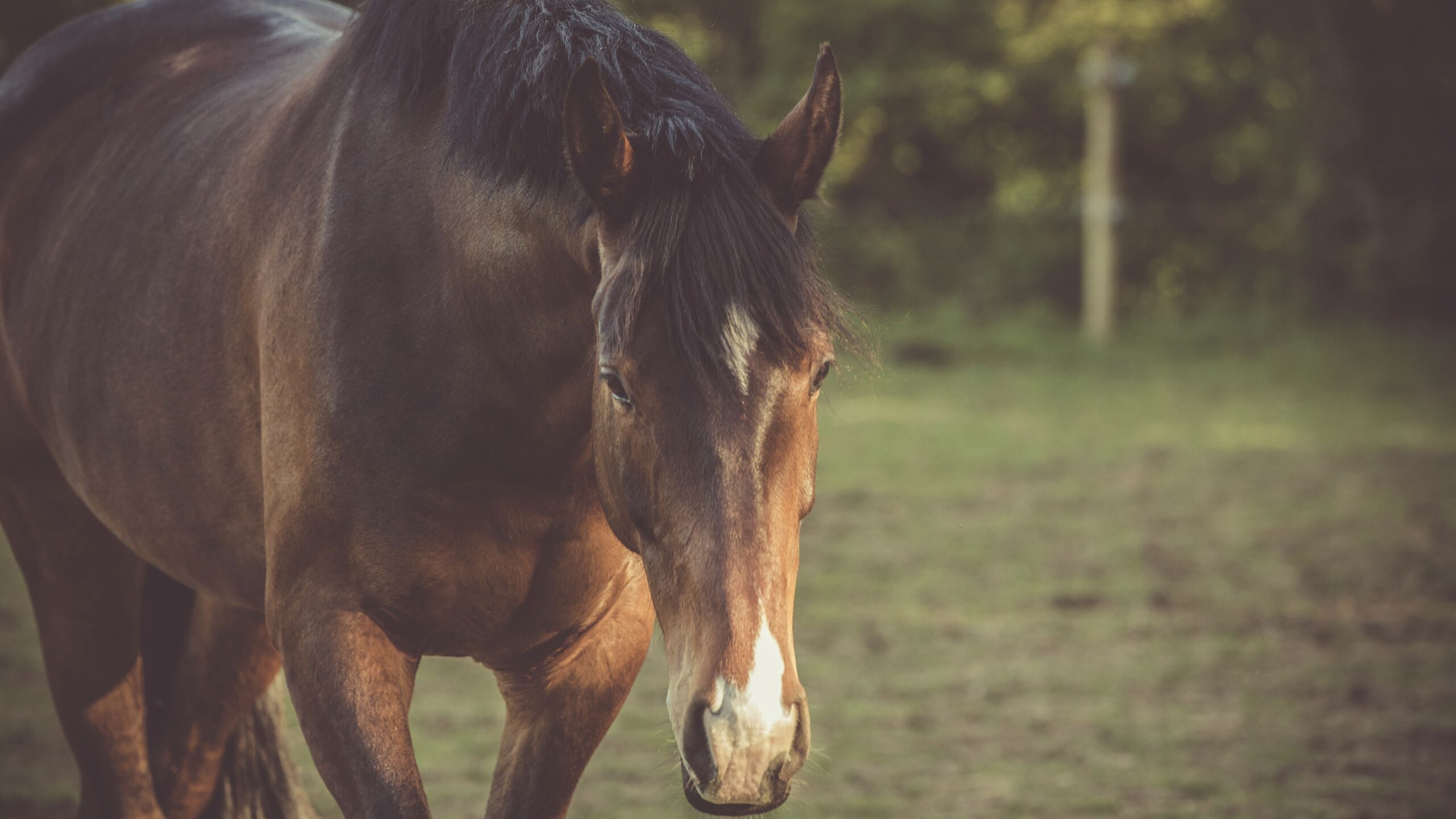
As a horse owner, I carry full responsibility for the wellbeing of my horse. The principle that every animal deserves a life worth living guides me in all I do. Therefore, I always strive to minimize discomfort and create positive experiences. General welfare and care at home start with awareness, knowledge, and compassion.
Understanding the Foundations of Welfare
To ensure my horse thrives, I follow the Five Domains of animal welfare: nutrition, environment, health, behavioral interactions, and mental state. Each domain contributes to a balanced life. Furthermore, I focus on the Three F’s — friends, forage, and freedom. Together, they form the basis for a content and healthy horse.
Creating the Right Living Conditions
A suitable home is essential. I provide stabling or shelter that protects my horse from wind, rain, and extreme temperatures. However, I also make sure that my horse spends plenty of time outside. Daily turnout allows movement, exploration, and social contact. These activities support both physical health and mental balance.
When possible, I let my horse interact with others. Horses are social beings, and isolation can cause stress. Therefore, I encourage safe companionship, whether in groups or through fences, depending on the horse’s temperament and situation.
Feeding and Watering with Care
Proper nutrition lies at the heart of good horse management. I feed sufficient forage every day and ensure constant access to clean, fresh water. Forage supports natural chewing behavior and keeps the digestive system healthy. In addition, I adjust feed portions based on the horse’s age, activity level, and condition.
Training and Exercise
Every training session should respect the limits of the horse. I design exercise programs that promote strength, balance, and confidence. Moreover, I avoid methods that create fear, tension, or pain. My aim is to build trust and communication. Consequently, the horse learns willingly and stays sound for longer.
Hoof and Farriery Care
Healthy feet are vital. Therefore, I schedule regular visits from a qualified farrier. Correct trimming and shoeing help prevent injuries and maintain balance. I also monitor the hooves between appointments to spot cracks, infections, or uneven wear early.
Respecting Sensory Function
The whiskers around a horse’s muzzle and eyes serve an important sensory role. They help the horse perceive distances and detect obstacles. Because of this, I never clip or shave them. The only exception is for veterinary treatment when absolutely necessary. In such cases, I ensure proper documentation and professional handling.
Humane and Lifetime Care
My responsibility does not end when my horse stops competing. I plan for retirement, ensuring comfort and dignity. Whether through injury or age, every horse deserves respectful care until the very end. Consequently, I consider future needs such as companionship, veterinary support, and appropriate management long before the time comes.
Continuous Learning and Responsibility
To maintain high welfare standards, I regularly update my knowledge. Advances in equine science, veterinary care, and management offer valuable insights. By staying informed, I ensure my decisions remain ethical, effective, and in the best interest of my horse.
General welfare and care at home require dedication. Still, the reward is immense — a horse that is healthy, happy, and confident. Through thoughtful management and daily compassion, I can truly offer my horse a life worth living.