
When I work with horses, I put their welfare first. Always. The principles of the charter for the horse reminds me that every decision I make and every action I take must protect their wellbeing. It guides me to stay true to my values — care, respect, and responsibility. Therefore, ambition never outweighs wellbeing.
Why the Charter Matters in Daily Practice
The charter for the horse gives clear ethical direction for everyone involved with horses. It calls for care, respect, and understanding at all times. Whether I ride, train, or manage horses, I must ensure that their needs come before competition or commercial interests. This principle means that success in equestrian sport must never outweigh the horse’s welfare. Therefore, my actions should reflect empathy and fairness, not ambition alone. As a result, trust grows between horse and human.
Seeing the Horse as a Sentient Being
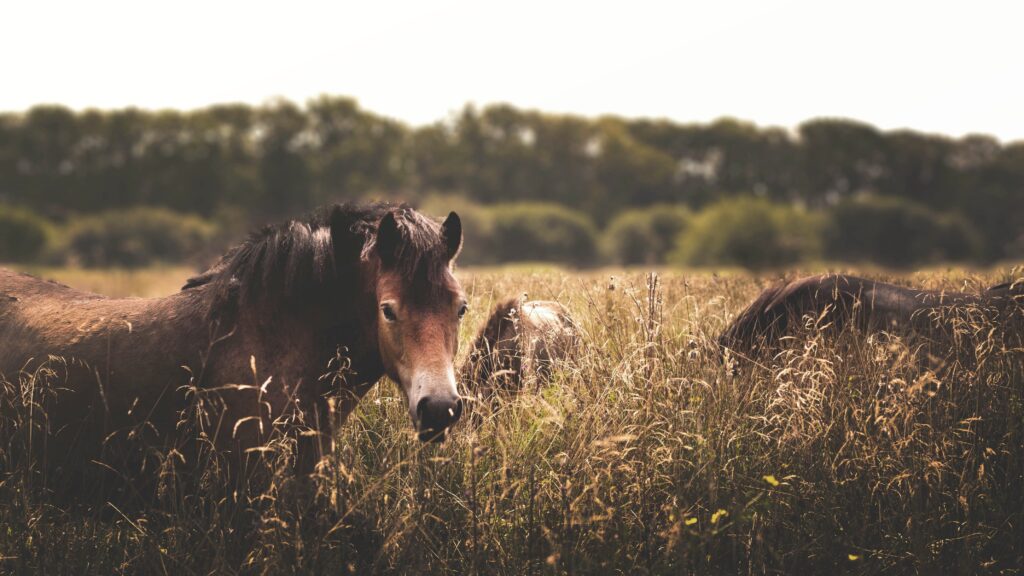
I treat the horse as an intelligent and sentient being. Horses feel comfort, confidence, and stress.They respond to how I act. Therefore, I stay aware of their physical and emotional state. I observe how they react to training, handling, and the environment. Their comfort and trust depend on my sensitivity. Only then can a true partnership form — one based on respect, not dominance.
Caring for the Horse Throughout Its Life
My duty does not end after riding or a competition. I carry a lifelong responsibility. From birth to retirement, each horse deserves care, safety, and kindness. I make sure that they live comfortably, have shelter, and receive consistent attention. Even when their athletic career ends, they remain my partners. Consequently, I plan for their well-being long after they leave the arena.
Meeting Nutritional and Physical Needs
A healthy horse depends on proper nutrition. I ensure they always have access to clean water, high-quality forage, and balanced feed. At the same time, I maintain a clean, safe, and well-bedded environment. Good stable conditions help prevent stress and illness. Moreover, they allow the horse to rest, recover, and feel secure.
Encouraging Natural Interaction and Movement
Horses are social animals. Therefore, I give them the freedom to interact and move in open spaces. Regular exercise and contact with other horses promote both mental and physical health. Isolation causes frustration, while movement builds strength and balance. This freedom reflects the natural instincts that keep a horse happy and confident.
Using Equipment with Care and Knowledge
Tack and equipment must fit correctly and serve their intended purpose. I check every saddle, bridle, and bit before use. Additionally, I make sure that each piece of equipment is clean, safe, and gentle. When used with care, tack supports communication. When misused, it causes pain. That is why knowledge and empathy matter in every choice I make.
Ensuring Health and Prompt Medical Care
If a horse becomes sick or injured, I act quickly. I follow all veterinary guidance and respect biosecurity, vaccination, and anti-doping regulations. Preventive care is vital, and I take every step to avoid suffering. Veterinary decisions should always serve the horse’s best interest. For that reason, unnecessary treatments or medications have no place in responsible care.

Respecting Individual Limits and Potential
Each horse is unique. Therefore, I adapt my training to their age, ability, and physical development. I never push beyond what the horse can handle. Patience brings progress. When I train with understanding, the horse grows in strength, balance, and confidence.
Committing to Lifelong Learning
Horsemanship challenges me for life. Therefore, I keep studying equine behaviour and training methods. I choose methods that science supports and ethics demand. As I improve my skills, my aids become clearer and softer. Consequently, my horse understands me faster and stays more relaxed.
Moreover, I train with positive, fair principles. I reward effort, I reduce pressure quickly, and I stay consistent. Over time, this approach builds harmony between my horse and me. It also strengthens balance, trust, and joy.
I never stop learning. Instead, I refine my timing, seat, and feel with every ride. Scientific knowledge guides my decisions. Ultimately, my commitment to horse welfare charter helps me train responsibly and create sustainable success.
Upholding the Spirit of the Charter
Ultimately, the Charter for the Horse is not just a list of rules. It is a promise — a shared responsibility. Every rider, owner, and trainer must commit to protecting the welfare of horses. When I follow this charter, I honour the horse as a partner, not a tool. Together, we build a future where care, respect, and knowledge define the heart of equestrianism.
For more
The Fédération Équestre Internationale outlines in its Code of Conduct the basic objectives for all people involved in equine development, training, competition and retirement. It is therefore imperative that horses are protected against overuse or abuse.