Riding

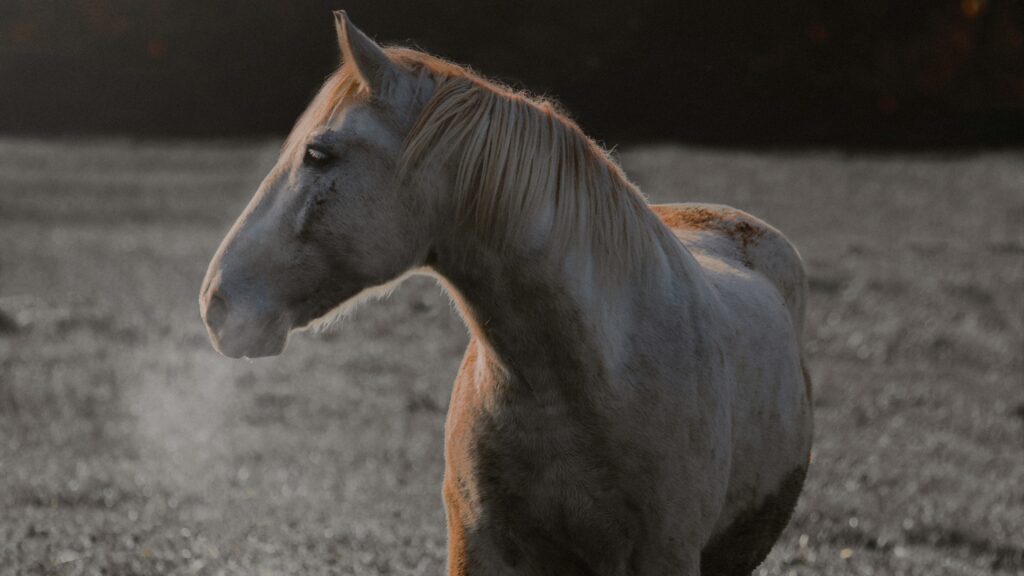
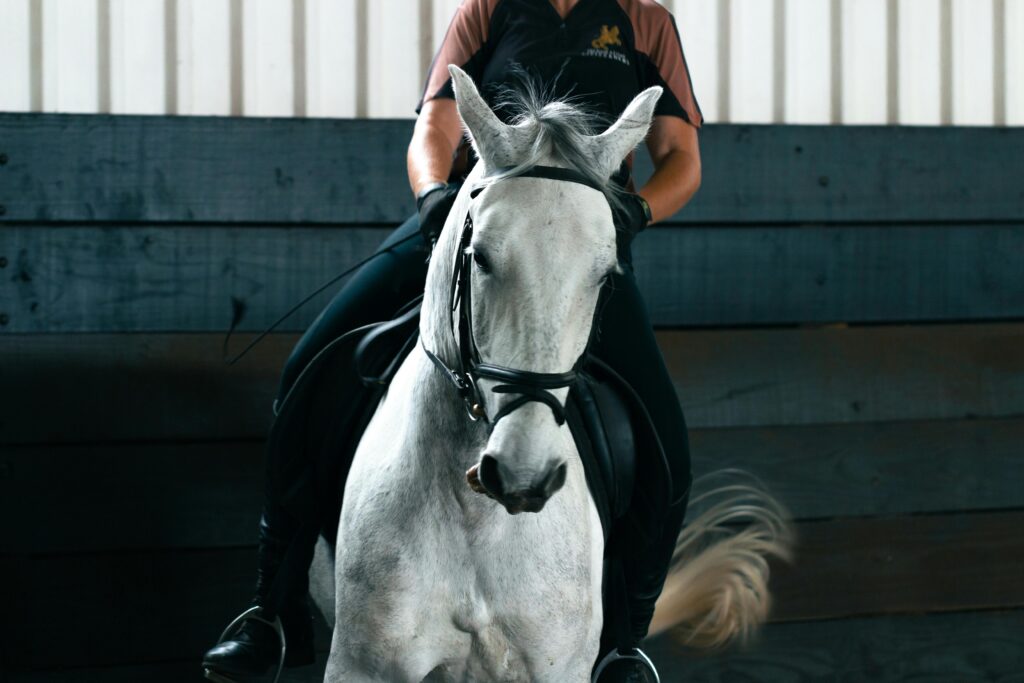
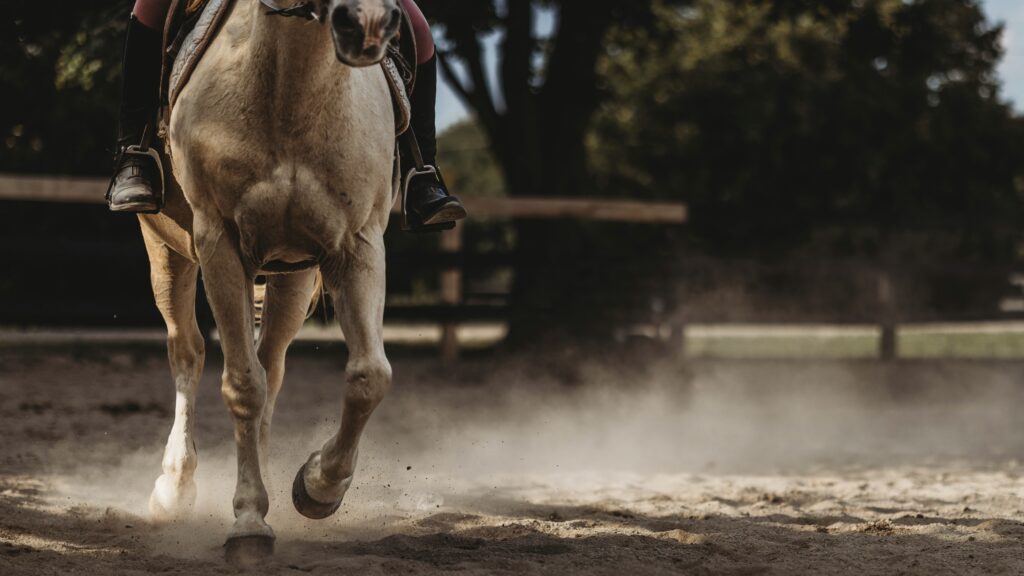
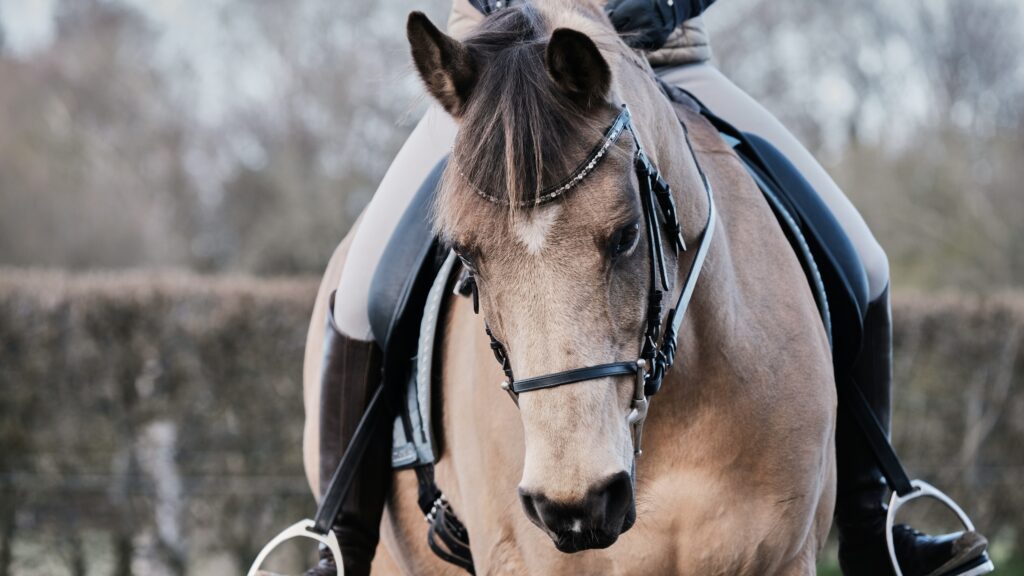
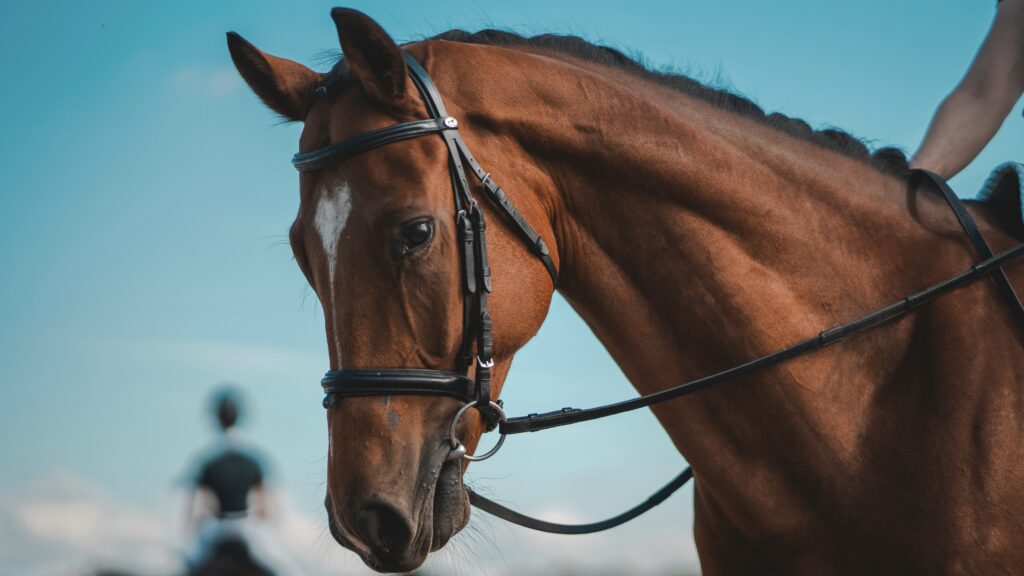
Riding begins with awareness and connection. Every ride teaches me more than technique — it deepens my understanding. Through balance, timing, and feel, my body and mind unite with my horse. By truly listening, I discover communication beyond words. Step by step, riding becomes partnership. Practice, reflection, and patience turn movement into trust. With guidance and experience, I learn not just to ride, but to connect — creating harmony, confidence, and mutual respect.

Para Dressage Made Simple: How the Sport Works

Para dressage is the only Paralympic equestrian discipline. Riders compete in five grades, using aids when needed to communicate clearly with their horses. First, they perform a compulsory test from memory. Then, they ride a musical freestyle. Judges score accuracy, quality, and harmony in the arena today.


Stop Starring while Riding: The fastest focus shift I teach myself

When my ride feels tense, I change my eyes before I change my aids. I widen my gaze, soften my focus, and feel my seat settle. Consequently, my horse often swings more freely and the contact steadies. Use this reset to stop staring while riding and regain calm rhythm.

Your Horse Shows Back Pain Under Saddle: Stop These Common Riding Errors

If your horse feels tight, hollow, or unhappy under saddle, start with your seat. I explain signs, biomechanics, and practical self-checks that soften the back and improve rhythm. Learn how to stop causing back pain in my horse while riding—and when to involve saddle fitters or vets.

How I Build up my Horse’s Suppleness: A simple 10-minutes routine

Calm rhythm and soft contact help me build up my horse’s suppleness. With frequent changes of line, transitions, circles, and a few easy lateral steps, stiffness melts instead of fighting back. Soon the back swings, the breath stays quiet, and the body feels elastic, balanced, and ready.

Rider workout plan for a balanced seat

Strong riders protect their horses. When I get tired, my posture collapses and my aids arrive late, so my horse must rebalance and its back can suffer. This guide shares a simple Rider workout plan for a balanced seat, built on stamina, core control, mobility, and balance.

Developing Straightness

Developing Straightness for Beginners — Step by Step

Straightness training helps my horse use both sides of the body evenly. Because horses are naturally crooked, I develop strength, alignment, and coordination through bending, transitions, and direction changes. Over time, balanced muscles create even steps, better stability, and a confident connection between horse and rider.

How the Dressage Training Scale Makes Every Horse Better

The Scale of Dressage Training guides horse and rider through six progressive steps: rhythm, suppleness, contact, impulsion, straightness, and collection. Each level builds harmony, balance, and power. By developing these elements systematically, I help my horse move with ease, trust, and lightness — the essence of classical dressage.

Developing Collection For Beginners: 4-week Training Plan

Learn how spiraling circles can build the foundation for collection in your horse. This 4-week progressive training plan improves rhythm, balance, and engagement through structured exercises. Designed for beginners, it develops suppleness, strength, and coordination to help horse and rider progress toward true collection with harmony and confidence.

Developing Collection for Beginners — Step by Step

Developing collection for beginners starts with balance, rhythm, and trust. Step by step, strength turns into lightness and energy into elegance. Learn how correct training creates proud self-carriage, softness, and true harmony between horse and rider.

How Lateral Work Strengthens My Horse’s Muscles

Lateral work strengthens my horse’s muscles from hindquarters to shoulders. Each sideways step builds power, balance, and flexibility. Through controlled movement, the muscles develop evenly, the core stabilizes, and posture improves. Step by step, my horse becomes stronger, more supple, and more connected — moving with lightness and harmony.

Why Lateral Work Is the Key to Unlocking My Horse’s Potential

Lateral work strengthens my horse’s entire body. Each movement builds balance, flexibility, and trust. The gluteal, abdominal, and shoulder muscles work together to create rhythm and power. Step by step, my horse becomes stronger, more supple, and more confident — moving with harmony, lightness, and true athletic grace.

Mastering the Single Serpentine Line for Beginners — Step by Step

A single serpentine teaches my horse rhythm, balance, and precision. Each curve improves suppleness and coordination while keeping my horse focused on my aids. Step by step, I feel connection grow. The exercise builds straightness, softness, and control — creating harmony between movement, timing, and communication.

Mastering the Turn on the Haunches for Beginners — Step by Step

When I first practiced the turn on the haunches for beginners, I discovered its true value. This elegant dressage movement strengthens control, balance, and communication. It teaches precision and rhythm while deepening the partnership between horse and rider. Let’s explore what it really requires from both.

Mastering the Turn on the Forehand — Step by Step

A turn on the forehand may look simple, yet it builds the foundation for trust, control, and balance. This essential dressage exercise teaches me that precision begins with small, coordinated movements, helping horse and rider develop clear communication and mutual understanding.

Learning the Structure of a Dressage Test for Beginners

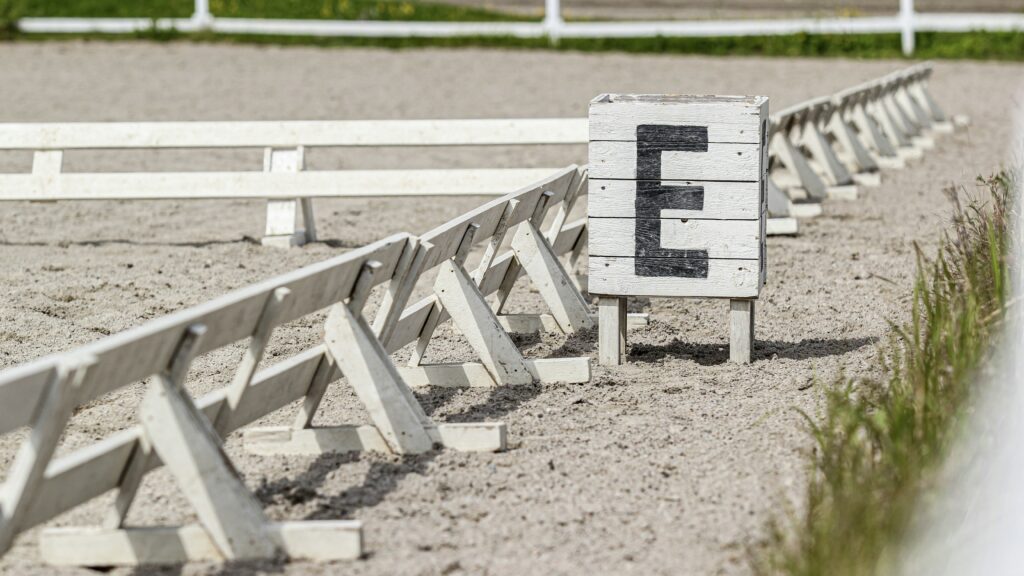
When I first practiced the Dressage Test for beginners, I realized how much structure and rhythm it teaches. The test takes place in a 20 × 40-meter arena and lasts around four minutes. Every movement has a purpose. Each transition helps me connect better with my horse. Step by step, I build precision, balance, and calmness.

Scroll to Top
GDPR Cookie Consent with Real Cookie Banner