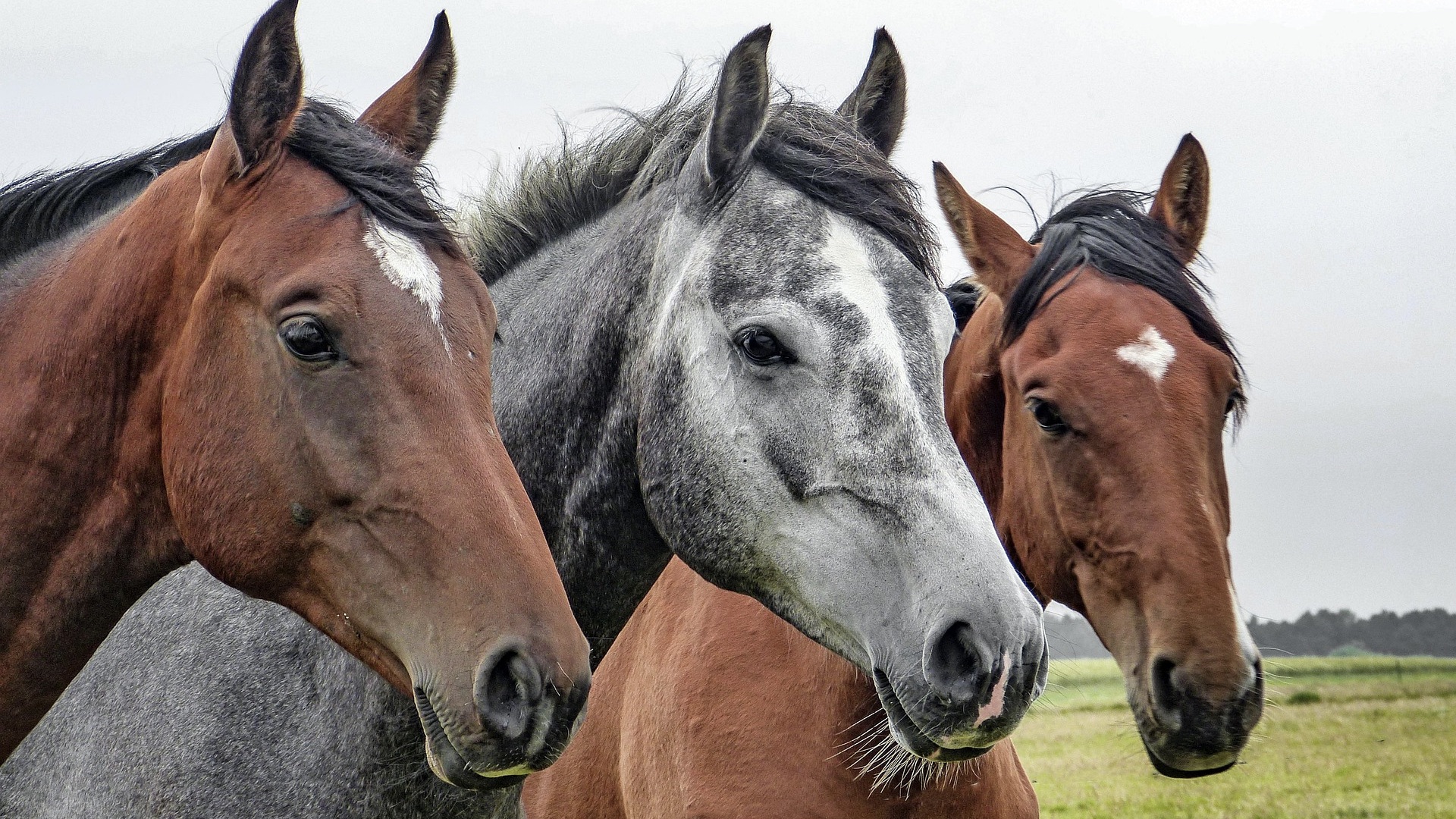
The ears of a horse are more than just organs for hearing, the ears reveal its inner world. Horses communicate with the ears as if they were tiny mood indicators. Every movement tells me something about the horse’s feelings and focus. Horses communicate with their ears to express curiosity, trust, fear, or even pain. For me, they are a window into the horse’s emotions. Once I learned to read them, I started understanding the horse long before it moved or spoke through other signals.
Neutral Position – Calm and Relaxed
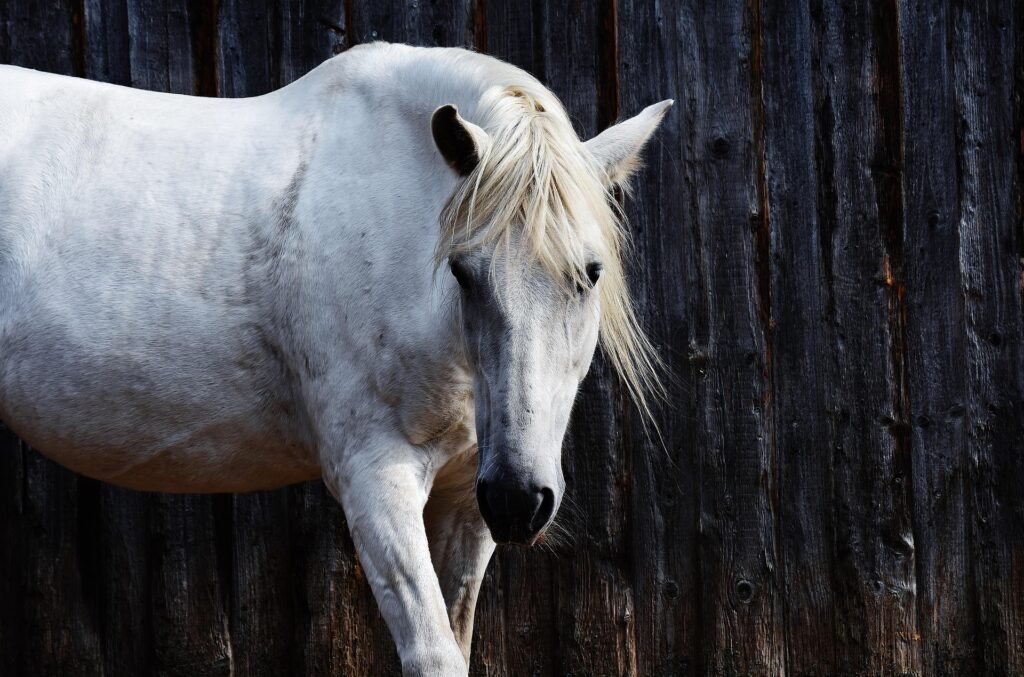
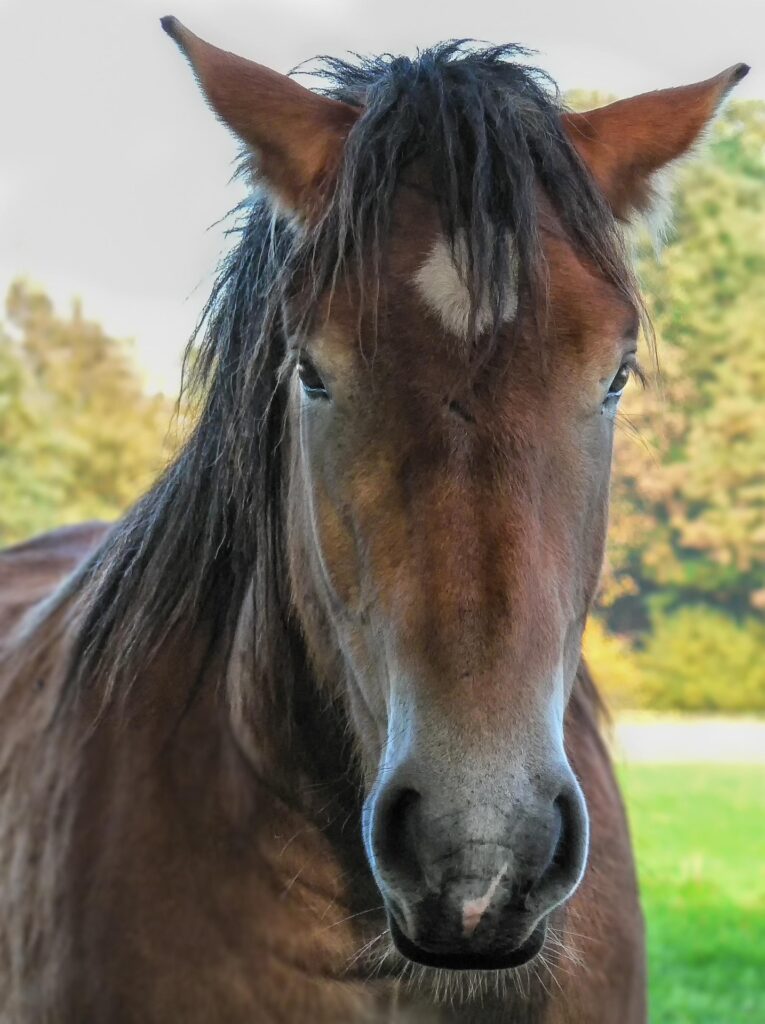
When a horse feels calm and safe, its ears stand in a neutral position. A relaxed horse keeps its ears upright and slightly turned outward. I can feel that the horse is at peace. In this state, body and mind are in harmony. It’s a beautiful sign of trust and security. Therefore, I always take a moment to appreciate this quiet communication.
Split Attention: One Ear Forward, One Back
Sometimes one ear points forward while the other points backward. This tells me my horse is paying attention to two directions at once. Something in front and something behind both interest it. During groundwork or lunging, I observe if the inner ear points toward me. If it does, my horse is attentive and connected. If not, its mind is somewhere else.
Did you know
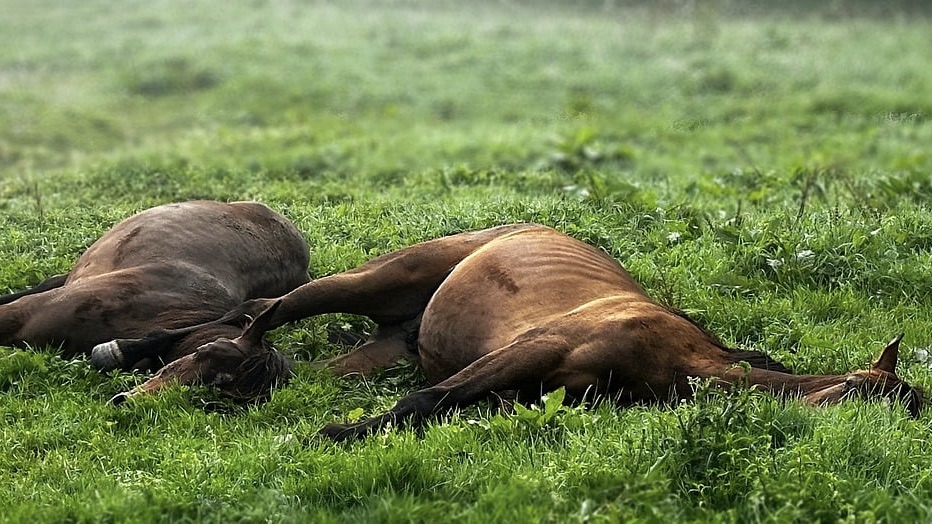
When a horse rests or sleeps, its ears never stop working. They stay alert, constantly moving and scanning the surroundings. Every rustle, every crack in the distance can mean danger.
While we may see calmness in a sleeping horse, its ears quietly stay on duty. A horse in a stable or safe environment still keeps this instinct alive. It is part of its nature, formed over thousands of years.
In complete silence, they tell a story about life, instinct, and awareness.
Forward Ears Mean Attention and Curiosity
When both ears point sharply forward, the horse focuses on something it hears or sees. It could be a sound, a movement, or even another animal. It may turn its head or even its body toward the sound. Something in the environment has caught its attention. This position shows interest and friendliness. Often, friendly and confident horses show exactly this posture. When I see it, I know the horse is open and engaged with the world around it. If one ear points forward and the other backward, the horse divides its attention — something happening both in front and behind. This tells me the horse processes several impressions at once.
Sideways Ears Reflect Relaxation
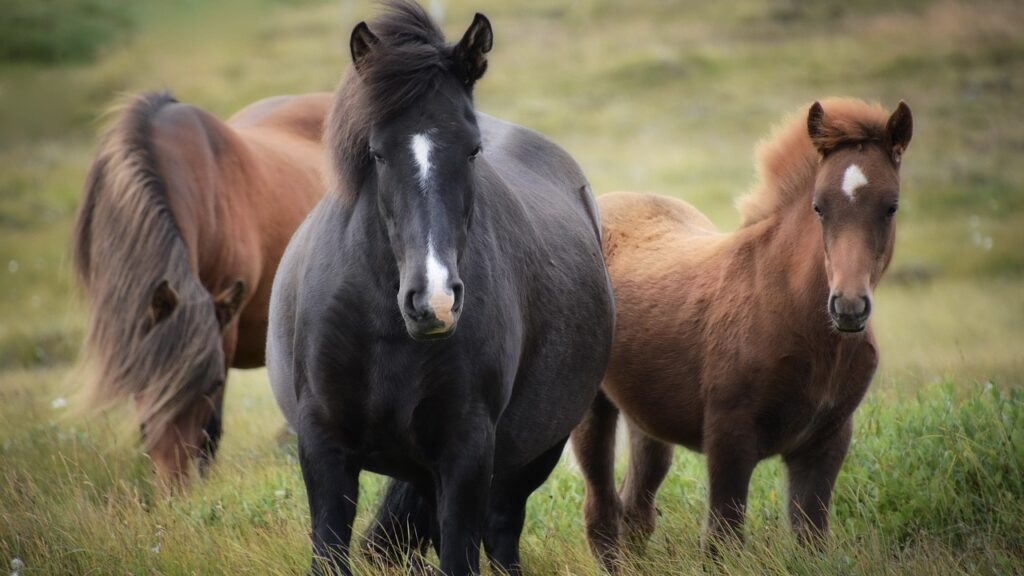
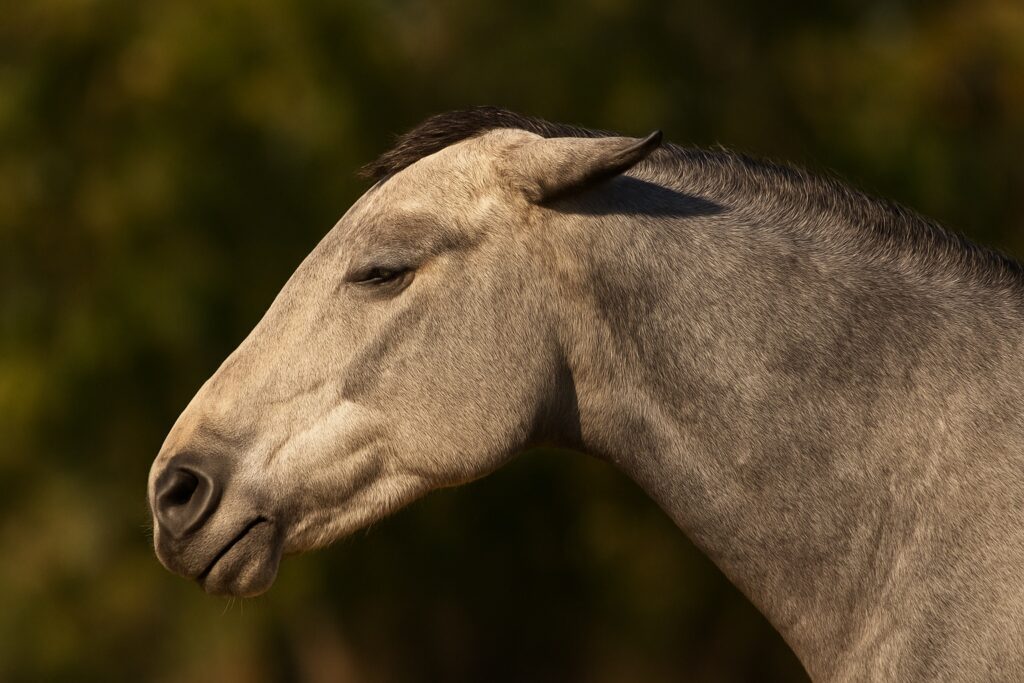
When the ears drop slightly to the sides and the openings face downward, I know my horse is relaxed. It often happens when the environment feels safe and familiar. During these moments, the horse might even doze lightly. However, I always watch carefully: if the ears hang completely limp and lifeless, this can mean pain or deep exhaustion. In a herd, such ear posture also shows submission during dominance fights.
Flattened Ears Signal Warning and Defense
When ears press tightly and lie flat against the head, the horse warns others to stay away. This gesture clearly says: “Stay away”. For me, it’s a strong signal of irritation or aggression. Scientists believe this gesture began as protection — flattening the ears during fights or conflicts to avoid injury from bites — and over time evolved into a clear warning signal among horses—and even toward humans. Today, it still tells me to respect the horse’s boundaries. But: In natural herds, communication also has a reproductive side. A mare ready to mate often drops her ears softly backward with a slight outward angle — a quiet but clear signal of readiness.
Backward Ears Show Focus or Fear
When I ride, I pay special attention to backward ears. If they turn slightly back, my horse listens to me attentively. That’s a sign of concentration and readiness to cooperate. But if the ears flatten sideways with the openings pointing backward, fear might be the reason. The horse then listens closely to every sound from me, the “strange creature” on its back. Recognizing this difference prevents misunderstanding and builds trust.
The Protective Role of Ear Hair
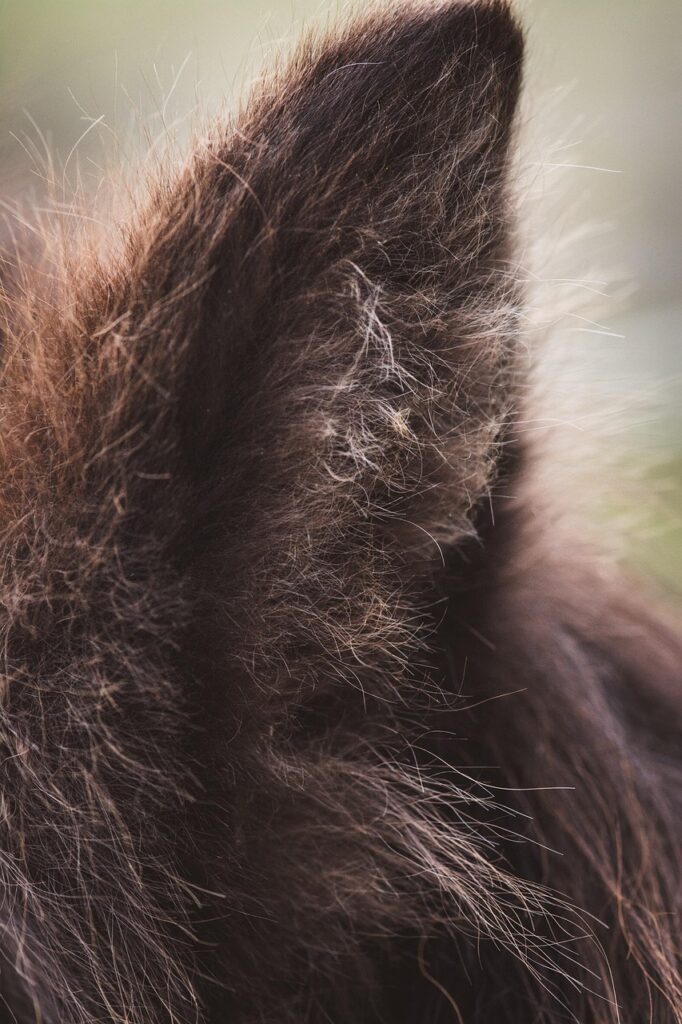
The ear hair of horses plays an important protective role. They are located at the entrance to the ears and prevent insects and dirt from entering the sensitive ear canal. Cutting or shaving these harms the ear’s natural defense function. This can lead to irritation and infection. Animal welfare laws prohibit the removal of these hairs for good reason. Many people shave them for looks, not realizing how important they are. I always leave them untouched. Respecting the horse’s natural protection shows genuine care and understanding. The same respect applies to the tactile whiskers around the muzzle and nostrils — they help horses feel and navigate their surroundings.
Ears and Body Speak Together
I never look at the ears alone. Horses communicate with the ears and the entire body together. A change in ear position usually changes the whole posture. A relaxed horse keeps its ears neutral and slightly to the sides. When tension rises, muscles tighten, eyes widen, and the head lifts. Reading these signals helps me respond calmly and prevent misunderstandings. Horses express feelings with their entire body. A relaxed horse keeps its ears upright and slightly turned outward. Forward-facing ears show attention, curiosity, and interest in the environment. When I see ears hanging loosely to the sides, I know the horse feels safe and calm. However, drooping ears can also signal fatigue or even sadness.
Understanding brings Connection
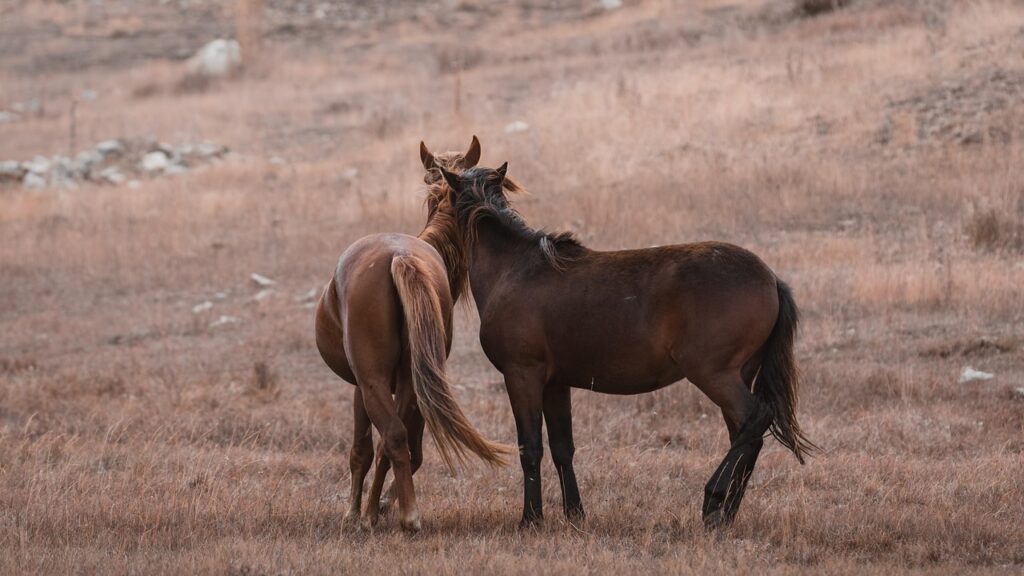
Over time, I learned that the ears of a horse are mirrors of the soul. Horses communicate with the ears constantly — in herds, during training, or while resting. Learning how horses communicate with the ears opens an incredible world of understanding. Each movement carries meaning. With patience and observation, I can read their emotions like a language of trust. The better I listen with my eyes, the stronger our connection grows.