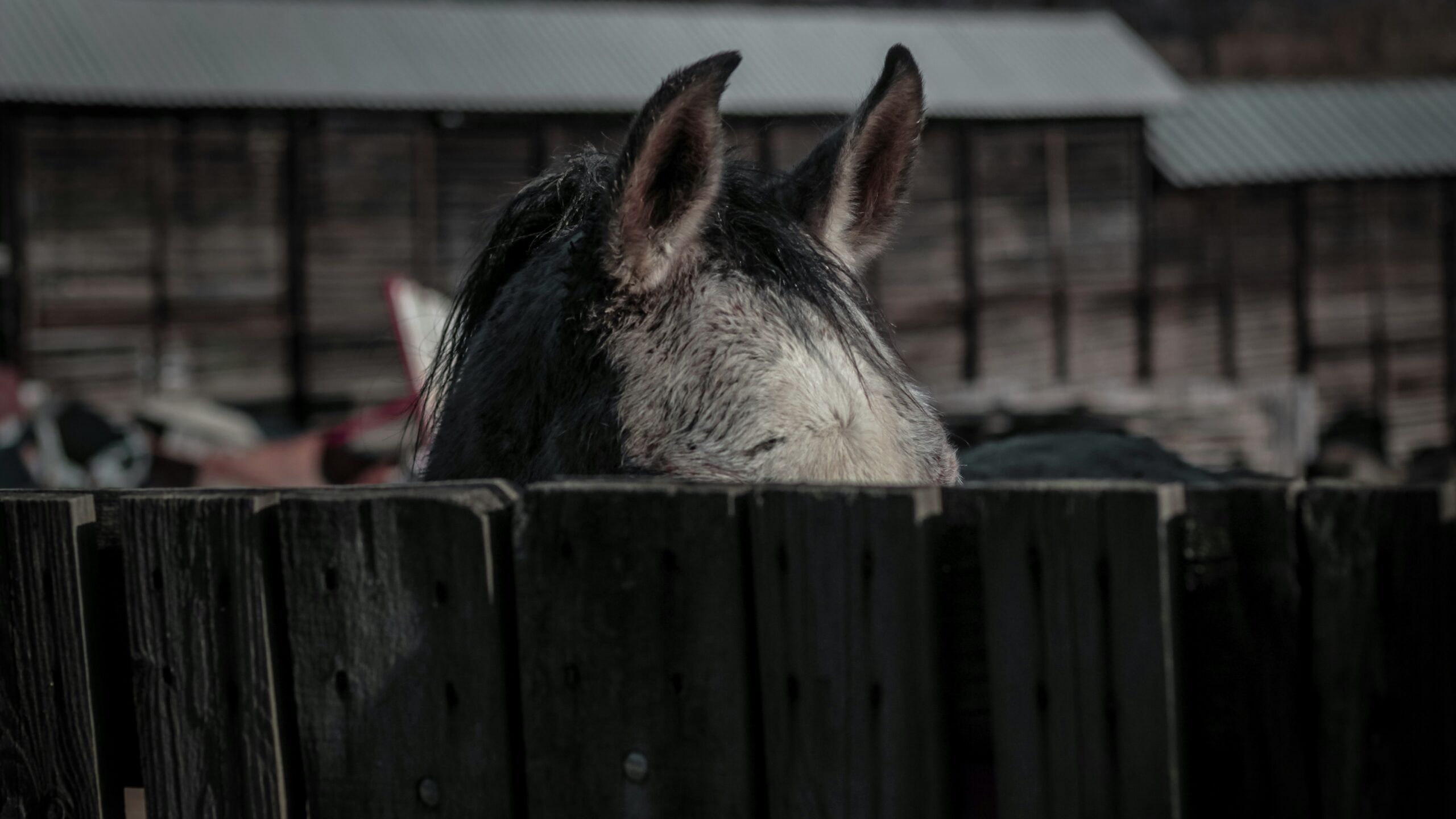
Horses express much through their ears. I know that their ears tell me a lot about their health. Nevertheless, ear diseases in horses can occur suddenly. They may seem harmless at first, but can become serious if I overlook the signs. Since the ears are sensitive, I always watch for swelling, itching, or strange head movements.
What Causes Ear Diseases in Horses
In my experience, ear diseases in horses usually start with small irritation. They typically occur on one side and can have many causes. Some are congenital, such as ear fistulas, that occur a few months after birth. They may result from inflammation, parasites, bacteria, fungi, or injuries.
Even a foreign object in the ear can trigger irritation or cause discomfort inside the ear. Acute infections usually affect one ear and often cause pain or itching. For this reason, the horse may frequently shake its head, rub its ear, or avoid being touched or having a bridle put on. I may notice sticky or crusty fur near the base of the ear. In more severe cases, swelling, pus, or even blood can appear inside the ear.
Recognizing the Symptoms Early
Every horse shows different signs, so I observe them carefully. A horse with an ear problem often holds its head tilted to one side. The affected ear may hang lower or respond slowly when the horse tries to lift it. Head shaking, rubbing, and sensitivity to touch are clear warning signs.
Sometimes I see sticky fur or crusting under the ear. In some cases, milky or purulent discharge comes out of a small opening near the base of the ear. The ear flap may swell so much that it completely closes the ear canal. As a result, secondary inflammation or infection can occur. If I ignore this, the condition can worsen and cause abscesses or nerve inflammation. Severe infections can even lead to facial paralysis—visible in drooping lips, narrowed nostrils, or difficulty breathing. Sometimes horses show coordination ear when the inner ear, which controls balance, is affected.
Checklist Typical Symptoms:
- Head tilting or shaking
- Drooping ear
- Aversion to touch or bridling
- Scratching or rubbing behavior
- Purulent or crusty discharge
When Pressure or Itching Causes Problems
Sometimes my horse injures its ear by scratching or shaking it too vigorously due to itching or flies. This can lead to hematomas—blood accumulations under the skin (subcutaneous blood accumulations). The ear swells and often hangs down. In severe cases, nerve fibers can be damaged, and the ear hangs limp and loses its mobility. If the cartilage itself becomes inflamed or deformed, the ear may lose its ability to stand upright. Common triggers are insects (e.g. mites), trauma, or immune reactions.
The Many Faces of Inflammation
Inflammation is one of the most common ear problems I see. It can affect the outer, middle, or inner ear. When a foreign object or infection affects the outer ear canal, otitis externa develops. It can start with simple irritation that later turns into weeping eczema. The inside of the ear and the ear canal can become moist and crusty. The ear then secretes fluid and the skin becomes red. Viruses, bacteria (e.g., Staphylococcus, Pseudomonas, Corynebacterium), fungi (e.g., Aspergillus spp.) or parasitic infections (e.g., Psoroptes cuniculi mites) cause these inflammations.
If the infection spreads deeper, it can reach the middle ear (otitis media) or inner ear (otitis interna). These deeper inflammations are more dangerous. I may then observe that the horse tilts its head, struggles with balance, or loses its appetite. Such deep infections are serious and can also reach the nervous system via the auditory tube or the air sacs.
When Growths and Viruses Take Over
Ear diseases in horses are not always caused by infections. Skin growths and tumors also occur. Fibromas are benign nodules formed from connective tissue. They grow from inside or on the edge of the ear and can become infected if scratched or injured. Sarcoids in horses — which usually develop in young adult horses between the ages 2 and 6 — hide under the skin layer. These are fibroblastic skin tumors associated with bovine papillomavirus types 1 and 2 (BPV-1 and BPV-2). This age group corresponds to the period when horses’ immune system is mature but still developing full resistance to papillomavirus infections. Equine sarcoids are not malignant, but tend to recur even after removal. I always monitor them carefully, as they can grow back after treatment.
Warts, known as papillomatosis, often occur in young horses under three years of age. They look like small, hairless, round bumps. They usually disappear on their own after a few months. They can fall off naturally, but monitoring is essential. However, if they become injured or inflamed, they can cause swelling and local infection.
Aural plaques, caused by equine papillomavirus, appear as white or gray crusty patches inside the ear. They are not painful, but can cause horses to become sensitive to touch. In severe cases, thickened or cracked lesions may form along the edge of the ear.
In addition, small malformations such as ear fistulas may form a few months after birth. These fistulas are small channels near the base of the ear caused by misplaced dental tissue. Although usually not painful, they can lead to discharge or visible openings.
Interesting Fact
Equine sarcoids are the most common skin tumors in horses, including on the ears. They are benign but locally aggressive fibroblastic growths caused by bovine papillomavirus types 1 and 2. Sarcoids can appear as flat, nodular, or ulcerated lesions. Trauma or insect bites may trigger their development. Although not malignant, they often recur after removal and require veterinary treatment. However, if left untreated, most sarcoids progress and can become untreatable.
More? read the Following

Photo: Horse with a single sarcoid on the ear von Royal Veterinary College – Wellcome Collection, United Kingdom – CC BY-NC.
How I Prevent Ear Problems
To keep my horse healthy, I follow a simple routine. I check the ears daily, especially after riding outdoors. Needles, grass, or small pieces of wood can get stuck in them. In summer, I apply gentle repellents. If anything looks unusual, I contact the vet right away. A clean environment, insect control, and gentle care help protect the ears. Thanks to the fine hairs in the ear canal, foreign objects in the ear are rare..
Regular observation helps me to identify problems early on and avoid pain or stress for my horse. Ear diseases in horses may seem harmless at first, but can lead to severe complications if neglected. By recognizing early signs and understanding the causes, I ensure my horse’s well-being, performance, and confidence. With early treatment, most ear diseases in horses heal well and completely, leaving no lasting damage. After all, healthy ears mean a relaxed and happy horse.