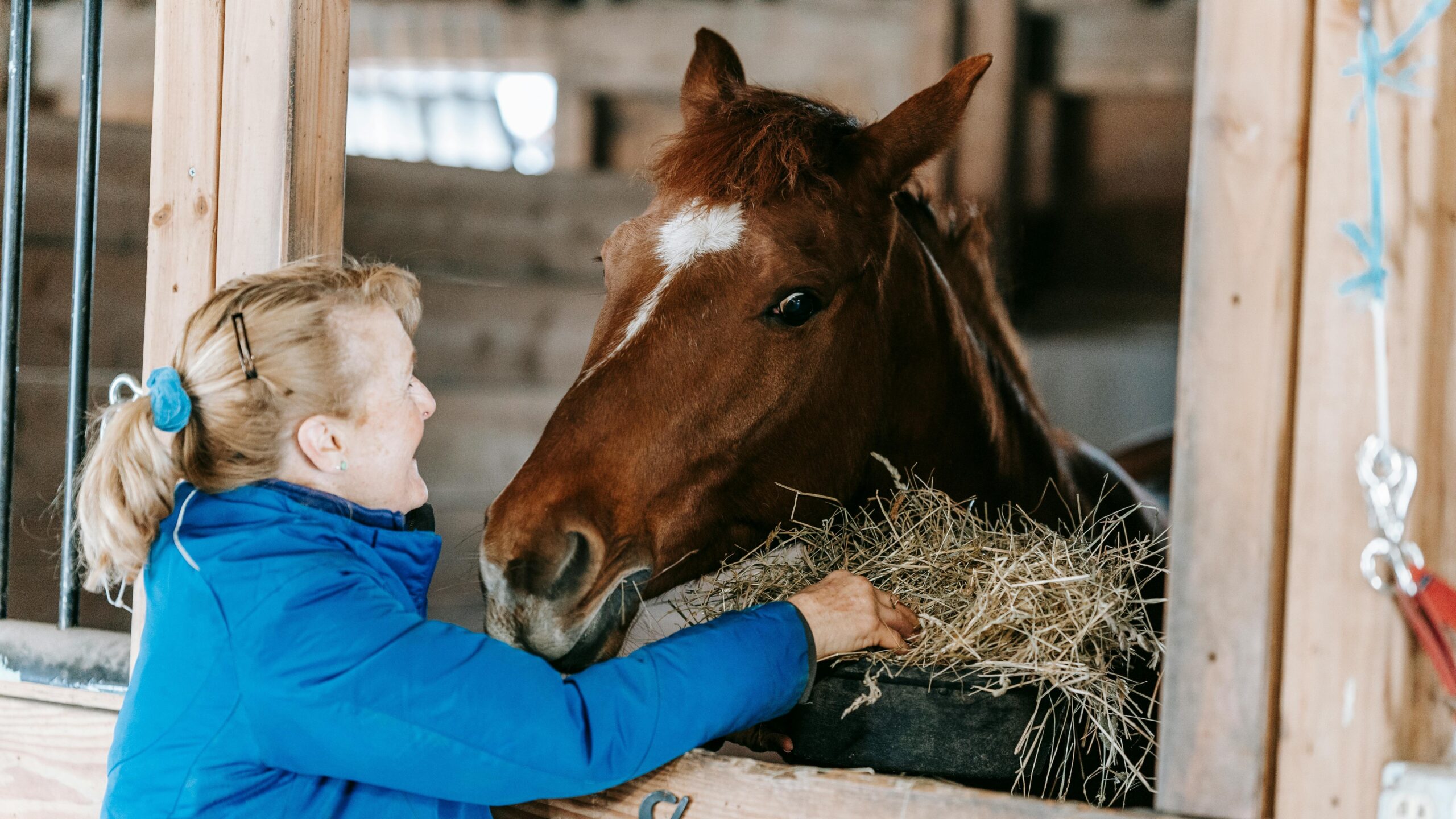
I want clean and healthy air in my stable. Because of this, I focus every day on creating a low-ammonia for horse stable environment. My horses breathe better when the air stays fresh. They stay calmer. They recover faster. Therefore, I follow several clear steps that improve the stable climate instantly. Ammonia forms when urine breaks down. The smell becomes sharp. The air becomes heavy. Moreover, ammonia irritates the lungs, eyes, and skin. Sensitive horses react even sooner. Consequently, I treat ammonia control as an essential part of my daily stable routine.
Daily Cleaning: My Most Important Habit
I remove wet bedding every day. I also take out fresh manure. I do this without delay, because daily cleaning stops ammonia before it spreads. I use a shovel and a fine-tined fork. I move slowly and clearly. I replace dirty material with enough fresh bedding. As a result, the stall stays dry, clean, and balanced.
Furthermore, I always clean while the horse stays outside the box. This avoids dust inhalation. It also gives me more space to work safely and thoroughly.
My Bedding Choice Matters
The right bedding helps me maintain a low-ammonia for horse stable. Straw gives horses natural occupation. However, straw can contain dust or mold. Horses with respiratory problems struggle with that. Therefore, I avoid straw when needed.
Shavings offer a dust-reduced option. They absorb liquid well and reduce odor. However, they decompose slowly. Still, they often support better air quality. I always check how quickly bedding becomes wet. This helps me choose the right amount of fresh material.
Dryness Is the Key
A dry stall keeps ammonia low. Because of this, I search for wet areas twice a day. I remove them immediately. I ventilate the stable lane by opening windows or doors. I keep the airflow steady and fresh. I avoid drafts, yet I support constant circulation.
Moreover, I check the floor. A waterproof and non-slip surface allows the bedding to work effectively. It also prevents liquid from spreading into hidden areas.
Ventilation Makes a Difference
I keep air moving. Fresh air reduces humidity. Humidity increases ammonia. Therefore, ventilation is essential. I open windows whenever possible. I remove cobwebs and dust from vents. I create a stable climate that feels light and comfortable.
Although I avoid direct drafts, I always make sure the air does not feel trapped. This balance keeps my horses healthy, relaxed, and alert.
Finding Hidden Moisture Traps
Certain areas cause problems even when the bedding looks clean. For example:
- damp corners under rubber mats
- old hay stuck behind boards
- water spills under buckets or troughs
- hay nets that drip into the bedding
- bedding pushed under doors or panels
I check each spot carefully. I remove anything damp. Then I refill with dry bedding. This simple step hugely reduces smell and irritation.
Hygiene Beyond the Box
Ammonia travels. Because of this, my hygiene routine does not stop inside the stall. I also keep grooming places, feed rooms, and walkways dry. I remove old straw and spilled hay. I store tools clean and dry. I want every part of the stable to support a low-ammonia for horse stable environment.
My Clear Routine for Better Stable Air
Here is the routine I follow every day:
- I remove wet bedding immediately.
- I add dry bedding generously.
- I ventilate the stable several times a day.
- I check corners, mats, and edges for moisture.
- I choose bedding based on air quality, not convenience.
- I keep walkways and storage spaces clean and dry.
This routine works. It keeps the air fresh. It protects the respiratory system of my horses. And it improves the overall atmosphere in the stable.
Conclusion
Stable hygiene requires consistency. With regular cleaning, smart bedding choices, and fresh air, I control ammonia effectively. As a result, my horses stay healthier and more comfortable.
Credits: Photos by Barbara Olsen from Pexels