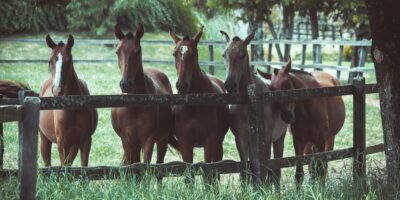
When I decide how to keep my horse, I always start with one key question: individual or group horse keeping? This decision shapes the daily routine, the social life, and the physical wellbeing of every horse. Therefore, I look closely at both options and choose what fits my horse best. Because each horse has unique needs, I want to understand both systems clearly.
Individual Keeping: Clear Structure and Fewer Risks
In individual keeping, every horse lives in its own stable box. Often, it also has its own paddock or turnout area. I like this structure because I can feed my horse individually. I also avoid feeding conflicts with other horses. Moreover, I train and move my horse without depending on a group. Injuries through group conflicts rarely occur.
However, I also know that individual keeping comes with challenges. Although a horse may see or smell another horse through a fence or stable bars, it still lacks full social contact. Consequently, I always make sure to compensate with movement, time outdoors, and shared turnout whenever possible. Otherwise, the horse may show stress or unusual behavior over time.
Group Keeping: Natural Interaction and Social Balance
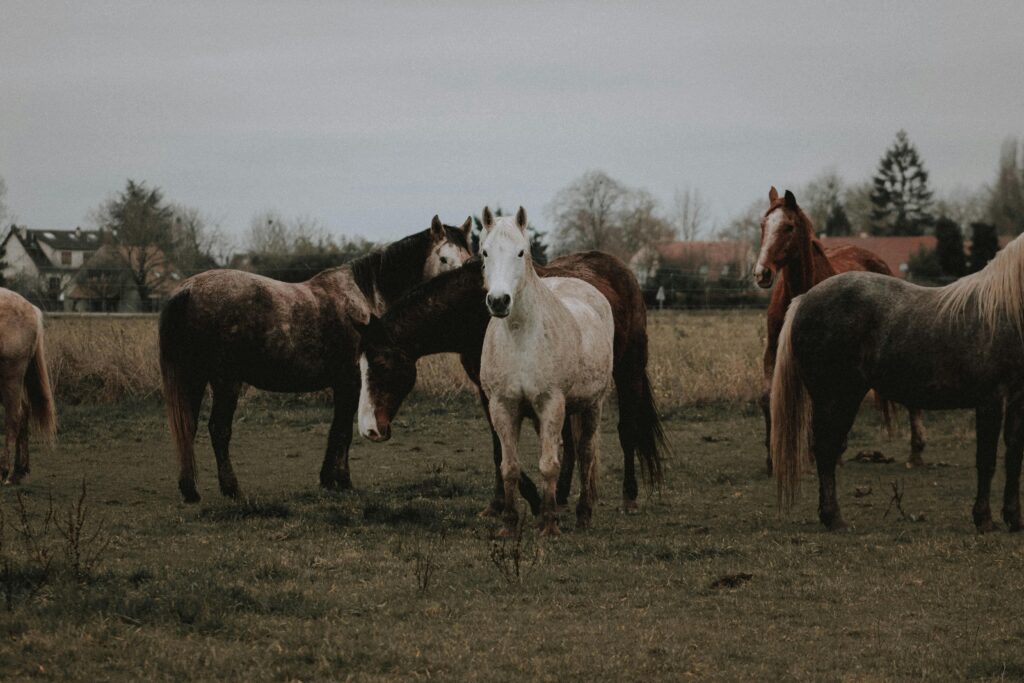
On the other hand, group keeping supports the horse’s natural behavior. Horses communicate, move, and play together. This creates variety and also teaches social skills. Because horses are herd animals, they often feel safer in a group. As a result, I observe calmer and happier horses when the group structure works well.
Yet, group keeping requires careful planning. Rank order can change, and new horses may cause tension. Therefore, I monitor group composition closely. When a new horse joins a group, it can trigger conflicts. That is why I try to keep groups as stable as possible. I never separate one horse from a pasture alone for short training sessions if safety is at risk. Instead, I aim for quiet routines that reduce stress.
Low-ranking horses face another challenge. They may lose access to food or water during conflicts. Sometimes they even get injured. Consequently, I watch every horse individually, even when it lives in a group. I never assume that a group takes care of itself.
Additionally, not only friendships but also serious rivalries can form. I accept that I cannot force horses to like each other. I can only provide a safe and stable environment that supports harmony.
Key Takeaways
– I choose between individual and group horse keeping based on the horse’s social, physical, and emotional needs.
– I monitor group dynamics because rank conflicts and injuries may occur. Stability in the herd matters.
– I use individual keeping when I need controlled feeding, training, and safety for sensitive horses.
– I select the stable type based on climate, ventilation, and coat condition. Open stables harden horses against weather.
– I support every system with movement, fresh air, and turnout because these meet essential horse needs.